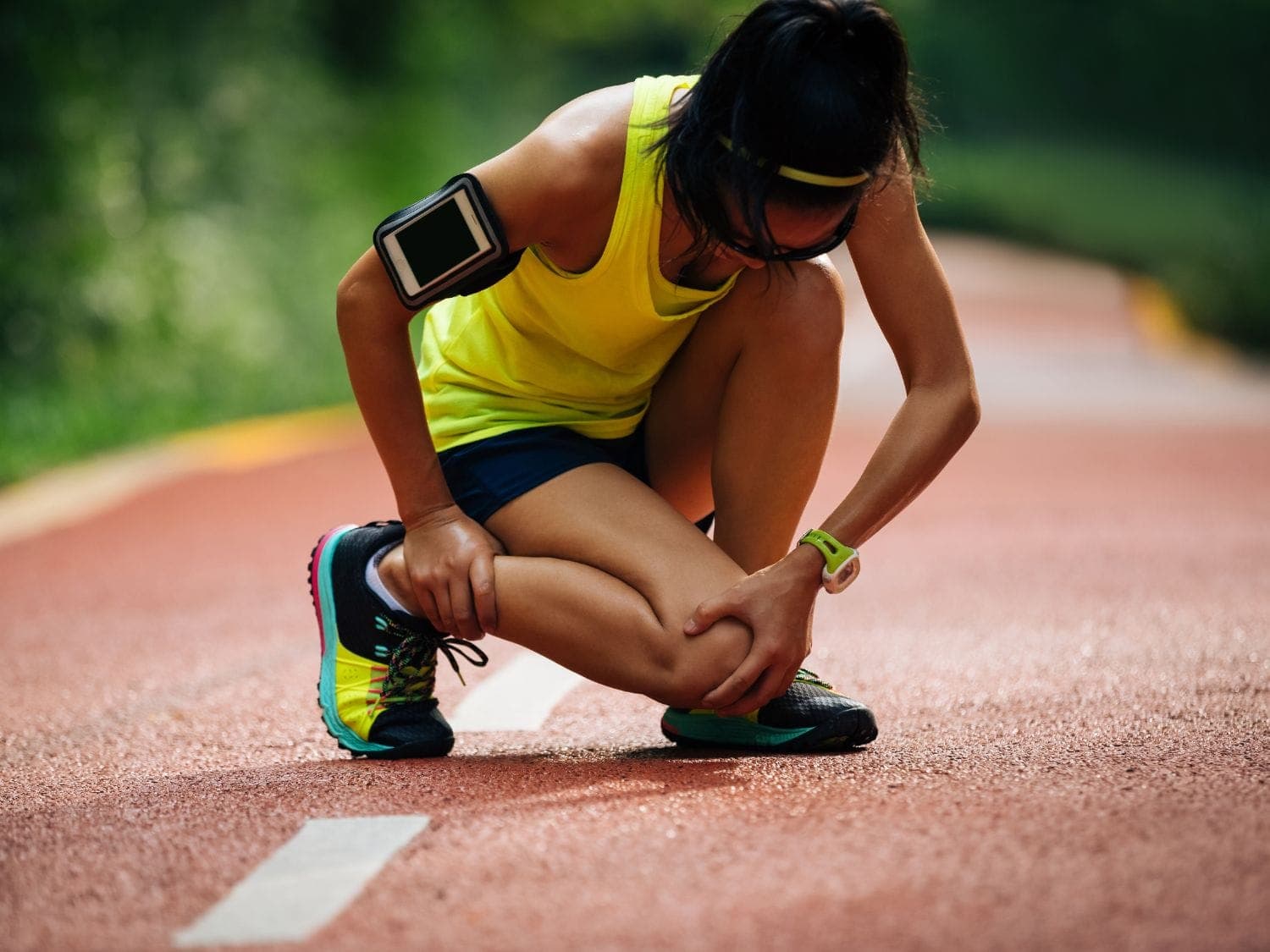
ACL Physiotherapy Treatment in Burlington
An ACL tear can stop your sport, work, and daily life in an instant. Whether you’re dealing with a torn ACL, planning ACL reconstruction, or trying to avoid surgery with structured rehab, physiotherapy is the backbone of recovery. At Pillars of Wellness in Burlington, our ACL physiotherapy treatment is built to restore knee stability, protect the knee joint, and guide you through a safe, proven ACL rehab timeline—from acute injury to confident return to activity.
Book An Appointment
Common Signs of an ACL Tear
- A “pop” at the time of acute injury
- Immediate swelling of the injured knee
- Knee instability or giving way
- Loss of range of motion and anterior knee pain
These are common with acute ACL tears, though symptoms can vary with partial ACL tears or a partially torn ligament.
As part of our Burlington physiotherapy services, our team treats everything from acute injuries to chronic conditions.
What You Need To Know About ACL Tear
The anterior cruciate ligament—often called the anterior cruciate—is one of the four major knee ligaments. Along with the posterior cruciate ligament, medial collateral ligament, and lateral collateral ligament, it helps control anterior tibial translation, rotation, and overall knee stability.
An ACL injury can be a partial tear, complete tear, or complete ACL tear. Many ACL injuries occur during pivoting, landing, or sudden direction changes. Most ACL injuries are non contact ACL injuries, especially in cutting sports. Female athletes face higher risk due to movement patterns and anatomy.
Experience Burlington’s Most Comprehensive Physiotherapy Services
Get the care you deserve with a full range of physical therapy services under one roof. From pain relief to injury recovery, we’ve got you covered.
ACL Injuries and Associated Knee Damage
ACL trauma often travels with other knee injuries:
-
Meniscal injury or meniscal repair needs
-
Damage to collateral ligament structures
-
Stress to other knee ligaments or other ligaments
-
Issues with the patella tendon, quadriceps tendon, or patella fracture
Left untreated, repeated instability can lead to chronic ACL deficiency and cartilage wear.
Do I Need ACL Surgery?
Not everyone with a torn ACL needs surgery. Decisions depend on age, sport, instability, and goals. Options include:
-
Non-operative ACL rehabilitation for selected cases
-
ACL surgery with ACL reconstruction surgery when instability persists
If surgery is chosen, ACL reconstruction aims to restore native knee kinematics and rotational stability.
Why Physiotherapy Is Essential (With or Without Surgery)
Whether you choose conservative care or ACL reconstructive surgery, physical therapy drives outcomes. Working with a licensed physical therapist, ACL physiotherapy:
- Restores range of motion (early knee extension, then knee flexion)
- Rebuilds strength around the knee joint
- Improves rotational stability and movement control
- Protects the graft after ACL reconstruction
ACL Rehabilitation Timeline and Recovery Time
Recovery varies by injury and procedure. Typical expectations:
- 5ACL rehabilitation time: 6–12 months
- 5ACL recovery time after surgery often spans 9–12 months
- 5ACL injury length of recovery without surgery can be shorter for stable partial tears
People commonly ask: how long to recover ACL surgery, how long to recover from ACL reconstruction, and how long recovery from ACL surgery. We answer these with a clear, phase-based plan.
Our Evidence-Based ACL Rehab Protocol
We follow a structured ACL rehab protocol aligned with current guidelines.
Phase 1: Acute Protection (Weeks 0–2)
- Swelling control, pain relief
- Safe range of motion
- Gentle post ACL tear exercises
Phase 2: Early Strength (Weeks 3–6)
- Quad and hip strength
- ACL treatment exercises to support stability
Phase 3: Strength & Control (Weeks 7–12)
- Progressive ACL rehab exercises
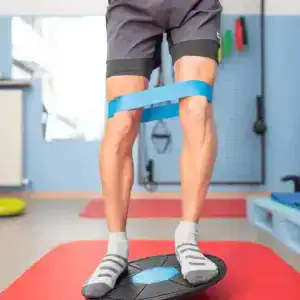
- Balance and neuromuscular training
Phase 4: Return to Sport (Months 4–9+)
- Plyometrics, cutting drills
- Workouts for ACL recovery and sport-specific tasks
You’ll hear these terms interchangeably: ACL rehabilitation, ACL rehab, ACL rehabilitation protocol, ACL physiotherapy protocol, ACL PT protocol, ACL recon protocol, ACL reconstruction protocol, and ACL physical therapy protocol—they all describe the same phased approach.
Looking For Expert Physiotherapist in Burlington, Ontario?
Recognized Excellence in Patient Care You Can Trust
Exercises for Torn ACL and Post-Surgery
Your plan includes:
-
Exercises for torn ACL (non-operative)
-
ACL recovery exercises after surgery
-
Exercises for anterior cruciate ligament injury to restore control
Progression is guided by swelling, strength, and movement quality—not just time.
Risk Factors and Prevention
Key risk factors include landing mechanics, fatigue, and anatomy. Female athletes benefit from targeted programs that prevent injury by improving hip control and deceleration.
Meet our Burlington Physiotherapists
Mari Mueller (Maskell)
Mari Mueller is a highly skilled registered physiotherapist (College of Physiotherapists of Ontario) at Pillars of Wellness in Burlington. With a deep understanding of the human body’s functionality and movement, she has successfully treated various types of sports injuries, Pelvic health therapy (certified level I, II, III), concussions, vestibular disorders, jaw pain (TMJ) and neurological conditions.
Mari Mueller (Maskell), Registered Physiotherapist
Mari is a registered physiotherapist with advanced training in sports rehabilitation, pelvic health therapy, concussion management, vestibular care, and TMJ treatment. She is registered with the College of Physiotherapists of Ontario and brings a strong focus on movement quality and performance.
Shree Solanki, Registered Physiotherapist
Shree is a registered physiotherapist with extensive experience treating sports injuries, pelvic disorders, and musculoskeletal conditions. She is dedicated to providing patient-centered care that supports recovery, balance, and long-term mobility.
All our physiotherapists are registered with the College of Physiotherapists in Ontario. All our healthcare providers strictly follow our privacy policy and their respective College regulations.
Why Choose Pillars of Wellness for ACL Physiotherapy in Burlington?
- Experienced clinicians focused on common knee injuries and most common knee injuries like ACL tears
- Close collaboration with surgeons for ACL reconstruction cases
- Clear education, measurable goals, and supportive coaching
We help you move from injured to confident—safely.
An ACL rupture or complete tear doesn’t define your future. With the right ACL rehabilitation timeline, expert guidance, and commitment, you can return stronger.
Book your ACL physiotherapy assessment today and get a clear, personalized recovery plan.
Exceptional Physiotherapy Experience with Skilled and Friendly Staff

Went to Pillars of Wellness for physiotherapy and was impressed by the wealth of knowledge, professionalism and friendliness of the staff. Shree was an excellent physiotherapist. I would recommend Pillars of Wellness and will return for any further treatment in the future.
Compassionate, Comprehensive Care That Transformed My Recovery Journey
Pillars of Wellness has been essential in my recovery journey. After a serious illness, I received exceptional care from their physiotherapy, massage therapy, occupational therapy, and naturopathy teams. Each practitioner was skilled, kind, and supportive. I’m deeply grateful for their dedication and the welcoming administrative staff.
Remarkable Progress Thanks to Shraddha’s Expert Physiotherapy
I’ve been doing physiotherapy in Burlington with Shraddha at Pillars of Wellness. She’s incredibly patient and knowledgeable. Since starting treatment, I’ve seen significant improvement in my mobility. I highly recommend Shraddha and the Pillars of Wellness team to anyone in the Burlington area seeking expert physiotherapy care.
Excellent, Supportive Service Experience at Pillars of Wellness in Burlington
I visited recently and had a great experience. The staff were very kind, professional, and extremely helpful. My physiotherapist, Mari, took the time to assist me with everything I needed and made the whole process smooth. I truly appreciate their excellent service! A big thank you to Katie, who is remarkable and very helpful at the reception desk.





FAQ: ACL Physiotherapy & Recovery
How long is ACL surgery rehab time?
Most people need 9–12 months after ACL reconstruction to return to high-level sport.
Can partial tears heal without surgery?
Yes. Many partial tears respond well to structured physical therapy when the knee is stable.
What graft is best for ACL reconstruction?
Options include patellar tendon, hamstring tendon autograft, and quadriceps tendon autograft. Choice depends on sport, anatomy, and surgeon preference.
When can I run after ACL surgery?
Usually after strength and control benchmarks—often around 3–4 months—within a guided ACL rehab timeline.
Do you treat meniscus injuries too?
Yes. We manage meniscal injury and coordinate care if meniscal repair was performed.
Feel free to contact us for more information or book your physiotherapy today!
