
Muscle Strains & Tendonitis
What is a muscle strain?
A muscle strain is any injury that occurs to a muscle or tendon (the structures that connect muscles to bones). Sometimes called “pulled muscles”, muscle strains vary in severity and commonly occur in the back, neck, shoulders and legs. A muscle spasm occurs when a muscle is abnormally used, and causes an involuntary contraction, often described as feeling “locked” or “stuck”. Muscle spasms are often referred to as a “charlie horse” and can be quite pinful!
What is tendonitis?
An injury to a tendon that causes inflammation is often referred to as “tendonitis”. Tendon injuries can be caused by traumatic incidents (sports injuries, etc) or chronic overuse (repetitive movements). Symptoms of a muscle strain and tendonitis are similar, so a detailed assessment is recommended to ensure the right treatment is being provided!
Muscle Strain and
Tendonitis Symptoms

Pain or tenderness

Redness or bruising

Limited motion

Swelling

Muscle weakness

What causes muscle strains and tendonitis?
Muscle strains and tendonitis injuries can be caused by an acute event such as: a slip and fall, sports injury, twisting the ‘wrong way’, lifting something too heavy, or picking something up from the floor. Spasms can occur in any of these situations as well. Strains and tendonitis can also be caused by excessive amounts of repetitive movements such as: gardening, housework, repetitive job tasks or repeated sports movements.
How can physiotherapy help?
Our physiotherapy treatments in Burlington can assist with managing pain, swelling and bruising, and can assist with regaining any loss of range of motion and strength. Physiotherapy will help get you back to your regular activities as quickly and efficiently as possible, while giving you information on how to prevent the injury from occurring again! Our physiotherapists are happy to work with your family physician or other health care professionals to deliver an integrated approach to your rehabilitation.
Prevention
Maintaining an active lifestyle, including regular stretching and strengthening, will help to prevent strains and tendon injuries. Managing your environment as best as possible, (keeping driveway clear, walking on dry surfaces) and having an ergonomic assessment of your workplace completed are two other important preventative factors to consider.
Why choose Pillars of Wellness?
At Pillars of Wellness, in Burlington, Ontario, we are proud to provide a truly integrated care approach that employs a variety of treatments to achieve a faster recovery. Our clinic offers various services such as physiotherapy, chiropractic care, naturopathy, counselling, occupational therapy, yoga therapy, acupuncture, and holistic nutrition.
With multiple services and specialties in one place, you’ll get the best care possible — without having to look elsewhere. Pillars of Wellness is your one-stop-health solution, located right here in Burlington.
Last but not least, physiotherapy is typically covered under most extended health insurance plans. If you do not have coverage, or have exceeded your coverage limits, you can consult with our Chiropractors. All of our Chiropractor’s and Physiotherapist’s have skills and techniques to treat and manage muscle strains and associated symptoms.
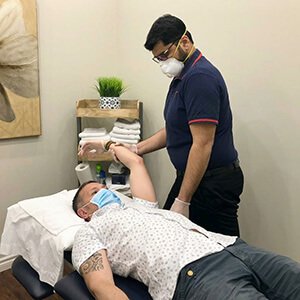
Flexibility and accommodation to make your appointment viable and fit to your schedule

Highly recommended for everyone who is looking for friendly, warm and very professional help in physiotherapy. Flexibility and accommodation to make your appointment viable and fit to your schedule. Warm, new and clean environment going very well together with informative and friendly, professional personnel. My therapy clinical notes, invoices and appointment reminders were also available on line and on time. Khizar, Nancy, Thank you.
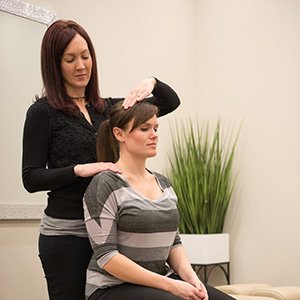
Feeling better by the day. Thank you so much!
This is the first time I give a review. I cannot say enough about this clinic. They are really amazing. Friendly, great customer service and helped me with a condition I have for years. Feeling better by the day. Thank you so much!

I was very impressed by their customer service and professionalism
I recently used Pillars of Wellness services for my injuries. I was very impressed by their customer service and professionalism. The first time I came to do my assessment, the owner, the physiotherapist and the chiropractor sat with me to help me figure out the best way to feel better and faster. I spent 6 weeks with on-going treatment using different modalities. The end result was no more pain and I was able to move again!! Thank you so much for your help. I highly recommend this clinic to anyone.
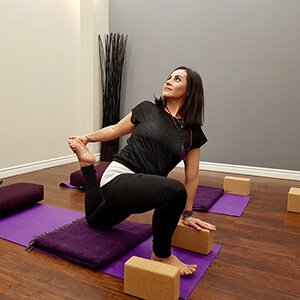
Summing it up Pillars of Wellness is a well run top notch health clinic!
Lori and Laurent Pinci who run Pillars of Wellness along with their team are very professional and efficient. They make you feel welcome with a smile and kind words every time you walk through their doors. They truly care. We have not yet had the need to experience the many other services that Pillars of Wellness offers, but if we ever did, we definitely would not hesitate to use them.
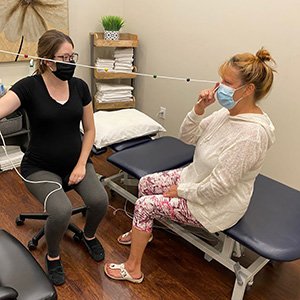
I’m feeling very supported during my recovery….
On the advice of a friend, I reached out and booked a series of appointments with their occupational therapist, Lori; physiotherapist, Abida; and their naturopath, Dr. Galantai to help with recovering from a concussion. It has been an excellent experience! They are all incredible practitioners.
This is the first time I’ve ever experienced a longer term injury and their genuine, individualized care has really lessened my stress. I’m feeling very supported during my recovery and highly recommend their clinic. I credit my continual improvement to the holistic way I’m getting treatment for my symptoms and am very grateful.
I went to different clinics I finally found one worth going to.
Friendly, caring and professionals like nothing I have seen around Aldershot//Burlington. Attentive to the needs of their patients. They take the time to listen. Beautiful and well designed clinic that is extremely well maintained. I have had two car accidents in the last year and I went to different clinics I finally found one worth going to.
Before Your Visit
Frequently Asked Questions
What is a muscle strain or tendonitis?
A muscle strain is an injury to muscle fibers from overstretching or overuse, while tendonitis is inflammation of a tendon — the tissue that connects muscle to bone.
What are common symptoms of muscle strain and tendonitis?
Symptoms include pain, swelling, stiffness, tenderness, and reduced movement in the affected area.
How can physiotherapy help with these injuries?
Physiotherapy uses manual therapy, targeted exercises, and movement retraining to reduce pain, improve strength, and restore normal function.
How long does recovery usually take?
Recovery time varies based on severity, but many patients see improvement within a few weeks with consistent therapy and home exercises.
When should I seek treatment?
Seek treatment if pain persists, limits movement, or affects daily activities – especially if symptoms last more than a few days.
