 See Our Reviews:
Find the Cause of Your Shoulder Pain and Build a Plan for Recovery
Simple tasks like reaching into a cupboard, putting on a jacket, or lifting groceries can suddenly feel difficult. Even working at your desk or getting comfortable in bed can become a challenge. What starts as a minor ache can gradually affect how you move and the activities you enjoy.
For some people, shoulder pain begins after a shoulder injury, lifting something heavy, playing sports, or reaching overhead. For others, it develops slowly over time with no obvious cause.
At Pillars of Wellness, we provide one-on-one shoulder pain physiotherapy in Burlington focused on identifying the cause of your symptoms, not just relieving your pain. Every assessment is designed to understand how your shoulder, neck, posture, strength, mobility, and movement patterns work together.
Using this information, your shoulder physiotherapist will create a personalized rehabilitation plan based on your condition, lifestyle, and recovery goals.
Whether you want to return to work, sports, the gym, gardening, or simply move with greater comfort and confidence, we’re here to help you recover and reduce the chance of your symptoms returning.
Why Clients Choose
Pillars of Wellness
- 5 One-on-One Assessment
- 5 Registered Physiotherapists (CPO)
- 5 Direct Billing Available
- 5 Evening & Weekend Appointments
- 5Very strong experience in treating shoulder pain
Shoulder Pain Can Affect More Than Your Shoulder
Shoulder pain doesn’t just affect how you lift your arm. It can change the way you move throughout the day.
You might skip reaching overhead, carrying groceries, sleeping on one side, or playing sports. You do this because you think the movement will hurt. Over time, these small changes can place extra stress on your neck, upper back, or opposite shoulder.
Many people think shoulder pain only happens after a serious shoulder injury or during a sports injury. In reality, it often develops gradually. Repetitive lifting, sports, weight training, bad posture, and long hours at a desk can all strain the shoulder. These activities don’t always lead to one specific injury.
In our clinic, we often see people who waited weeks or even months before seeking help. They hoped the pain would settle on its own, but instead noticed increasing stiffness, weakness, or a loss of shoulder mobility.
The good news is that many shoulder conditions respond well to physiotherapy for shoulder pain, especially when treatment begins before the problem becomes long-term.
A comprehensive shoulder pain assessment helps identify the cause of your symptoms so your treatment focuses on restoring movement, improving strength, and supporting your recovery—not simply reducing pain.
Understanding Why Your Shoulder Hurts
Shoulder pain is a symptom, not a diagnosis.
The shoulder is the most mobile joint in your body, but that freedom of movement also makes it one of the most complex. Pain can come from muscles, tendons, ligaments, joints, bursae, nerves, or even your neck. That’s why finding the true source of your symptoms is so important.
Many people assume shoulder pain always means they have a torn rotator cuff or arthritis. In reality, several different conditions can cause similar symptoms.
Pain when reaching overhead, lifting objects, or sleeping on one side may be related to irritated tendons, muscle weakness, joint stiffness, shoulder impingement, poor shoulder blade control, or even irritation coming from your neck.
Many people are surprised to learn that the painful area isn’t always where the problem starts. For example, weakness around the shoulder blade or stiffness in the upper back can place extra stress on the shoulder over time.
That’s why physiotherapy focuses on more than just where it hurts. We assess how your shoulder moves, how the surrounding muscles work together, and how your daily activities may be contributing to your symptoms. This helps us identify the cause of your shoulder pain and create a rehabilitation plan that’s right for you.
Signs You May Benefit from Shoulder Pain Physiotherapy
Not every shoulder ache requires treatment. Minor soreness after a workout or an unfamiliar activity often improves within a few days.
However, if your shoulder pain isn’t improving or is starting to affect your daily life, it’s worth having it assessed. Early treatment can often prevent the problem from becoming more persistent and help you return to your normal activities sooner.
You should consider booking a physiotherapy assessment if you notice:
- Pain when lifting or reaching overhead.
- Difficulty putting on a shirt, jacket, or fastening a bra.
- Pain when sleeping on the affected shoulder.
- Weakness when carrying groceries, lifting children, or exercising.
- Stiffness that limits your range of motion.
- Clicking, catching, or a feeling that your shoulder is unstable.
- Pain that travels into your upper arm or from your neck into your shoulder.
- Shoulder pain that lasts more than two or three weeks.
- Pain that keeps returning after activity.
These symptoms don’t always mean you have a serious injury, but they may indicate that your shoulder isn’t moving or functioning as it should. A physiotherapy assessment at our Burlington clinic can help identify the cause of your symptoms and determine the most effective treatment to support your recovery.
We also provide massage therapy in Burlington which could offer great benefits to shoulder pain recovery.
What Causes Shoulder Pain?
Most shoulder pain develops because the tissues are being asked to do more than they can currently tolerate. Sometimes this happens after a sudden injury. Other times, it develops gradually because of repetitive movements, muscle weakness, reduced mobility, or poor movement patterns.
In many cases, more than one factor contributes to shoulder pain.
Some of the most common causes include:
Repetitive overhead activities
Painting, stocking shelves, swimming, volleyball, and tennis all mean lifting your arms. This can hurt the muscles and tendons in your shoulder over time.
Work and Daily Activities
Office workers may spend hours sitting with rounded shoulders and little movement. Construction workers, electricians, mechanics, healthcare workers, and parents often hurt their shoulders. They lift, carry, and reach a lot.
Sports and exercise
Weightlifting, CrossFit, golf, baseball, racquet sports, and throwing sports put a lot of stress on the shoulder. Changes in technique, training volume, or recovery can irritate the shoulder, even without a specific injury.
Falls or sudden injuries
A slip on the ice, a fall onto an outstretched arm, or lifting something unexpectedly heavy can strain muscles, irritate tendons, or injure the shoulder joint.
Age-related changes
As we age, our tendons naturally become less resilient. This doesn’t mean shoulder pain is inevitable, but it may take longer for the tissues to recover from everyday strain.
Neck-related pain
One of the most overlooked causes of shoulder pain begins in the neck. Irritated nerves in the cervical spine can refer pain into the shoulder and upper arm, making it feel like a shoulder injury even when the shoulder itself is functioning normally.
This is why a physiotherapy assessment at our Burlington physio clinic looks beyond the shoulder itself. Knowing what causes your symptoms helps us make a treatment plan. This plan will support your recovery and get you back to the activities you love.
Shoulder Pain Doesn’t Always Start Where It Hurts
One of the biggest misconceptions about shoulder pain is that the painful spot is always where the problem begins. In reality, shoulder pain is often caused by several smaller issues working together rather than one injured muscle or tendon.
Think of your shoulder like a team. Every muscle has a different job, and they all need to work together to create smooth, controlled movement. If one muscle isn’t doing its job well, the others have to work harder to compensate.
For example, weak muscles around the shoulder blade can change how the shoulder joint moves. Over time, this can place extra stress on the rotator cuff tendons, even though they weren’t the original source of the problem.
The same thing can happen if your upper back is stiff or your chest muscles are tight. These changes can affect the way your shoulder moves overhead and gradually increase strain on the surrounding tissues.
That’s why physiotherapy looks beyond the painful area. By identifying the factors contributing to your shoulder pain, we can improve the way your shoulder moves, support long-term recovery, and help reduce the chance of your symptoms returning.
How Shoulder Pain Physiotherapy Can Help
The goal of shoulder pain physiotherapy isn’t just to reduce your pain. It’s to help you move better, restore strength, and get back to the activities that matter most to you.
At Pillars of Wellness, your physiotherapist starts with a thorough assessment. This helps them find out what’s causing your symptoms. We then make a personalized rehabilitation plan just for you. It considers your condition, lifestyle, and goals.
Your treatment may include:
-
Manual therapy to improve joint and soft tissue mobility.
-
Guided exercises therapy to restore strength and flexibility.
-
Movement retraining.
-
Posture and ergonomic advice.
-
Education to help you manage your symptoms confidently.
As your shoulder improves, your rehabilitation program progresses with you. We aim to help you return to work, sports, the gym, or daily activities without pain. Our focus is on safe recovery and lowering the chance of future injuries.
Shoulder Conditions Treated with Physiotherapy
Shoulder pain can have many different causes. During your assessment, we’ll identify the source of your symptoms and recommend the most appropriate treatment. Some of the shoulder conditions we commonly treat include:
Rotator Cuff Injuries
The rotator cuff is a group of muscles and tendons that helps stabilize your shoulder. Injuries can range from mild irritation to partial or full tears, often causing pain, weakness, and difficulty lifting your arm.
Shoulder Impingement
Shoulder impingement occurs when the tissues within the shoulder become compressed during movement. It often causes pain when reaching overhead, lifting objects, or performing repetitive activities.
Frozen Shoulder
Also known as adhesive capsulitis, frozen shoulder causes increasing pain and stiffness that gradually limits movement. Physiotherapy can help improve mobility and support recovery as the condition progresses.
Shoulder Arthritis
Arthritis can cause pain, stiffness, and reduced range of motion. Treatment focuses on improving joint mobility, maintaining strength, and helping you stay active with less discomfort.
Shoulder Instability
Some people experience a shoulder that feels loose, weak, or as though it may slip out of place. Physiotherapy helps improve stability by strengthening the muscles that support the shoulder joint.
Biceps Tendon Injuries and Tendinitis
Pain at the front of the shoulder may come from irritation of the biceps tendon. This can develop after repetitive lifting, overhead activities, or sports that place repeated stress on the shoulder.
If you’re not sure what’s causing your shoulder pain, don’t worry. A comprehensive physiotherapy assessment can help identify the underlying problem and create a treatment plan that’s right for you.
Why Choose Pillars of Wellness for Shoulder Pain Physiotherapy in Burlington?
Recovering from shoulder pain isn’t just about reducing discomfort. It’s about figuring out why your symptoms began. Then, you create a plan to help you return to the activities you love with confidence.
At Pillars of Wellness, every physiotherapy appointment is one-on-one with your physiotherapist. We take the time to understand your goals, assess how your shoulder moves, and create a rehabilitation plan that’s tailored to your needs.
Our clinic on Plains Road West, Burlington also offers an integrated approach to care. Your physiotherapist can work with our chiropractors or massage therapists. They can also team up with acupuncturists. This keeps your treatment organized in one place.
We also offer direct billing to most extended health insurance plans, making it easier to access the care you need. Whether your shoulder pain affects your work, sports, or daily activities, we’re here to help. We can support your recovery and help you move forward with confidence.
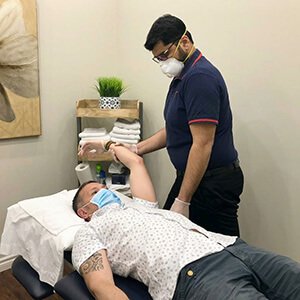
Flexibility and accommodation to make your appointment viable and fit to your schedule

Highly recommended for everyone who is looking for friendly, warm and very professional help in physiotherapy. Flexibility and accommodation to make your appointment viable and fit to your schedule. Warm, new and clean environment going very well together with informative and friendly, professional personnel. My therapy clinical notes, invoices and appointment reminders were also available on line and on time. Khizar, Nancy, Thank you.
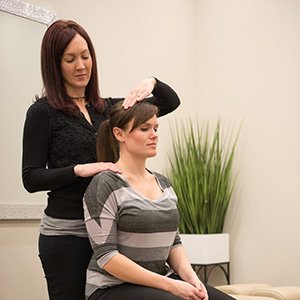
Feeling better by the day. Thank you so much!
This is the first time I give a review. I cannot say enough about this clinic. They are really amazing. Friendly, great customer service and helped me with a condition I have for years. Feeling better by the day. Thank you so much!

I was very impressed by their customer service and professionalism
I recently used Pillars of Wellness services for my injuries. I was very impressed by their customer service and professionalism. The first time I came to do my assessment, the owner, the physiotherapist and the chiropractor sat with me to help me figure out the best way to feel better and faster. I spent 6 weeks with on-going treatment using different modalities. The end result was no more pain and I was able to move again!! Thank you so much for your help. I highly recommend this clinic to anyone.
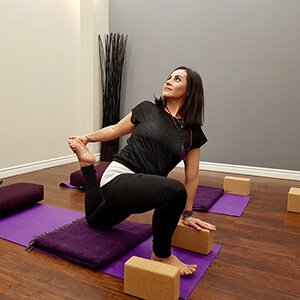
Summing it up Pillars of Wellness is a well run top notch health clinic!
Lori and Laurent Pinci who run Pillars of Wellness along with their team are very professional and efficient. They make you feel welcome with a smile and kind words every time you walk through their doors. They truly care. We have not yet had the need to experience the many other services that Pillars of Wellness offers, but if we ever did, we definitely would not hesitate to use them.
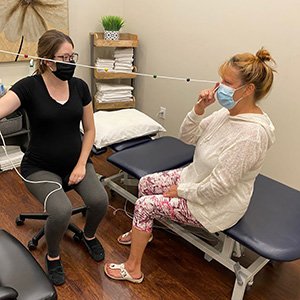
I’m feeling very supported during my recovery….
On the advice of a friend, I reached out and booked a series of appointments with their occupational therapist, Lori; physiotherapist, Abida; and their naturopath, Dr. Galantai to help with recovering from a concussion. It has been an excellent experience! They are all incredible practitioners.
This is the first time I’ve ever experienced a longer term injury and their genuine, individualized care has really lessened my stress. I’m feeling very supported during my recovery and highly recommend their clinic. I credit my continual improvement to the holistic way I’m getting treatment for my symptoms and am very grateful.
I went to different clinics I finally found one worth going to.
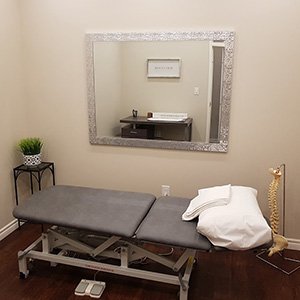
Friendly, caring and professionals like nothing I have seen around Aldershot//Burlington. Attentive to the needs of their patients. They take the time to listen. Beautiful and well designed clinic that is extremely well maintained. I have had two car accidents in the last year and I went to different clinics I finally found one worth going to.
Before Your Visit
Frequently Asked Questions About Shoulder Pain Physiotherapy
Do I need physiotherapy for shoulder pain?
If your shoulder pain lasts longer than a few weeks, it might be time to see someone. If it keeps coming back or affects your work, sleep, sports, or daily life, a physiotherapy assessment can help find the cause. Early treatment often leads to a faster recovery and may help prevent the problem from becoming more persistent.
Can shoulder pain go away on its own?
Some minor shoulder injuries improve with time and activity modification. If pain lasts, comes back often, or limits movement, it may signal a problem. This issue should be checked out.
How many physiotherapy sessions will I need?
The number of sessions depends on the cause of your shoulder pain, how long you’ve had symptoms, and your recovery goals. After your assessment, your physiotherapist will recommend a treatment plan based on your individual needs.
Should I rest my shoulder or keep moving?
Complete rest is rarely the best solution. While you may need to avoid painful activities for a short time, gentle movement and the right exercises often help reduce stiffness and support recovery.
Can physiotherapy help me avoid shoulder surgery?
Many shoulder conditions improve with conservative treatment and do not require surgery. Physiotherapy focuses on improving mobility, strength, and movement patterns to help you recover whenever appropriate.
What if my shoulder pain is coming from my neck?
Pain felt in the shoulder isn’t always caused by the shoulder itself. During your assessment, your physiotherapist will also examine your neck and surrounding joints to determine whether they are contributing to your symptoms.
Do I need a doctor's referral to see a physiotherapist?
No. You can book an appointment directly with a physiotherapist in Ontario without a referral. However, some extended health insurance plans may require one for reimbursement, so it’s worth checking with your provider.
Does extended health insurance cover shoulder pain physiotherapy?
Most extended health insurance plans include coverage for physiotherapy. At Pillars of Wellness, we also offer direct billing to most insurance providers to make the process as convenient as possible.
