 See Our Reviews:




Personalized Massage Therapy From Registered Massage Therapists
At Pillars of Wellness, our Registered Massage Therapists provide personalized massage therapy in Burlington for people experiencing pain, muscle tension, stress, restricted movement and activity-related soreness.
Every appointment begins with a review of your health history, symptoms, goals and preferred pressure level. Whether you are managing ongoing neck or back tension, recovering from physical activity or looking for time to relax, your massage therapist will adapt the techniques, pressure and areas treated to your needs and comfort.
Our Burlington massage therapy services include deep tissue massage, Swedish massage, sports massage, prenatal massage and myofascial techniques. If you are unsure which approach is most appropriate, your RMT can help you choose a treatment based on your symptoms, preferences and goals.
Appointments take place in private treatment rooms at our Plains Road West clinic, with direct billing available for many extended health insurance plans. Massage therapy may also complement physiotherapy, chiropractic care or acupuncture when another service could support your treatment goals.
Content reviewed by Istvan Szilak, Registered Massage Therapist. Our RMTs are registered and in good standing with the College of Massage Therapists of Ontario.
Why Clients Choose
Pillars of Wellness
- 5Registered Massage Therapists (RMTs)
- 5Personalized Treatment Plans
- 5Direct Billing Available
- 5Deep tissue, Swedish, sports and prenatal massage
- 5Daytime and evening appointments
- 5Multidisciplinary Wellness Clinic

Excellent Massage Therapy in Burlington!

I had a great experience with Erin at Pillars of Wellness. She’s knowledgeable, attentive, and made me feel completely at ease. Her massage techniques helped relieve a lot of tension I had in my shoulders and lower back. I’ll definitely be coming back and highly recommend them to anyone looking for massage therapy in Burlington.

Highly Recommend Faisal for Deep Tissue Massage in Burlington
Faisal is an exceptional RMT who helped relieve my chronic neck and shoulder tension after just a couple of sessions. He takes the time to understand your concerns and works with precision and care. I appreciated his ability to target deep tissue issues without causing discomfort. The entire Pillars of Wellness team made the experience seamless and stress-free.

Quality Care and Skilled Massage Therapy in Burlington
Erin truly listens and adjusts each massage session to meet your needs. My back pain has improved tremendously, and I feel more relaxed and mobile after every appointment. She’s professional, warm, and explains what she’s doing in a way that makes you feel involved in your treatment.

Great Massage and Service at Pillars of Wellness
Faisal’s technique and attention to problem areas made a huge difference in my mobility and overall comfort. His experience shows. He knows exactly where to focus and checks in throughout the session. The clinic itself runs like clockwork, and everyone from reception to practitioners is respectful and professional.
What is Massage Therapy?
Massage therapy is a regulated healthcare service that includes the assessment and hands-on treatment of muscles, connective tissues, tendons, ligaments and joints.
Registered Massage Therapists may use a combination of soft-tissue techniques, therapeutic pressure, stretching, joint movement, trigger-point therapy and myofascial techniques. The approach used during your appointment will depend on your symptoms, comfort level and treatment goals.
Some people book massage therapy to help manage a specific problem, while others use it to support relaxation, mobility or recovery from physical activity. Your RMT will explain the proposed treatment and obtain your consent before beginning.
Conditions and Symptoms Massage Therapy May Help With
Massage therapy may support people experiencing muscle tension, pain, stress, restricted movement and activity-related soreness. Your Registered Massage Therapist will consider your symptoms, health history and treatment goals before recommending an approach.
Results vary between individuals, and massage therapy may be one part of a broader treatment or rehabilitation plan.

Pain and Muscle Tension
Muscle tension can develop from prolonged sitting, repetitive activity, physical work, exercise, stress or changes in the way you move.
Our Registered Massage Therapists in Burlington may use therapeutic massage, deep tissue techniques, myofascial techniques and gentle stretching to address areas of tightness or sensitivity.
Massage therapy may help manage discomfort affecting areas such as:

Back Pain, Neck Pain, Shoulder & more
- Neck and shoulders
- Upper and lower back
- Hips and legs
- Arms and forearms
- Jaw and facial muscles
- Areas affected by repetitive physical activity
Your therapist may also assess nearby areas because the location of pain is not always the only factor contributing to your symptoms.

Headaches Related to Muscle Tension
Tension in the neck, shoulders, upper back or jaw may contribute to some types of headaches.
Massage therapy may help reduce muscular tension and improve comfort for certain people experiencing tension-type headaches. Treatment may focus on the neck, shoulders, upper back and jaw muscles, depending on your symptoms and assessment.
New, severe, unusual or worsening headaches should be assessed by an appropriate healthcare professional.

Stress, Relaxation and Sleep
Stress can affect concentration, sleep and the way the body holds tension. Some people notice tight shoulders, jaw clenching, shallow breathing or general muscle discomfort during stressful periods.
A massage appointment may provide an opportunity to relax while addressing areas of physical tension. Pressure, positioning and communication during treatment can be adjusted to help you feel comfortable.
Some people also find that relaxation-focused massage helps them settle before sleep, although individual responses vary.
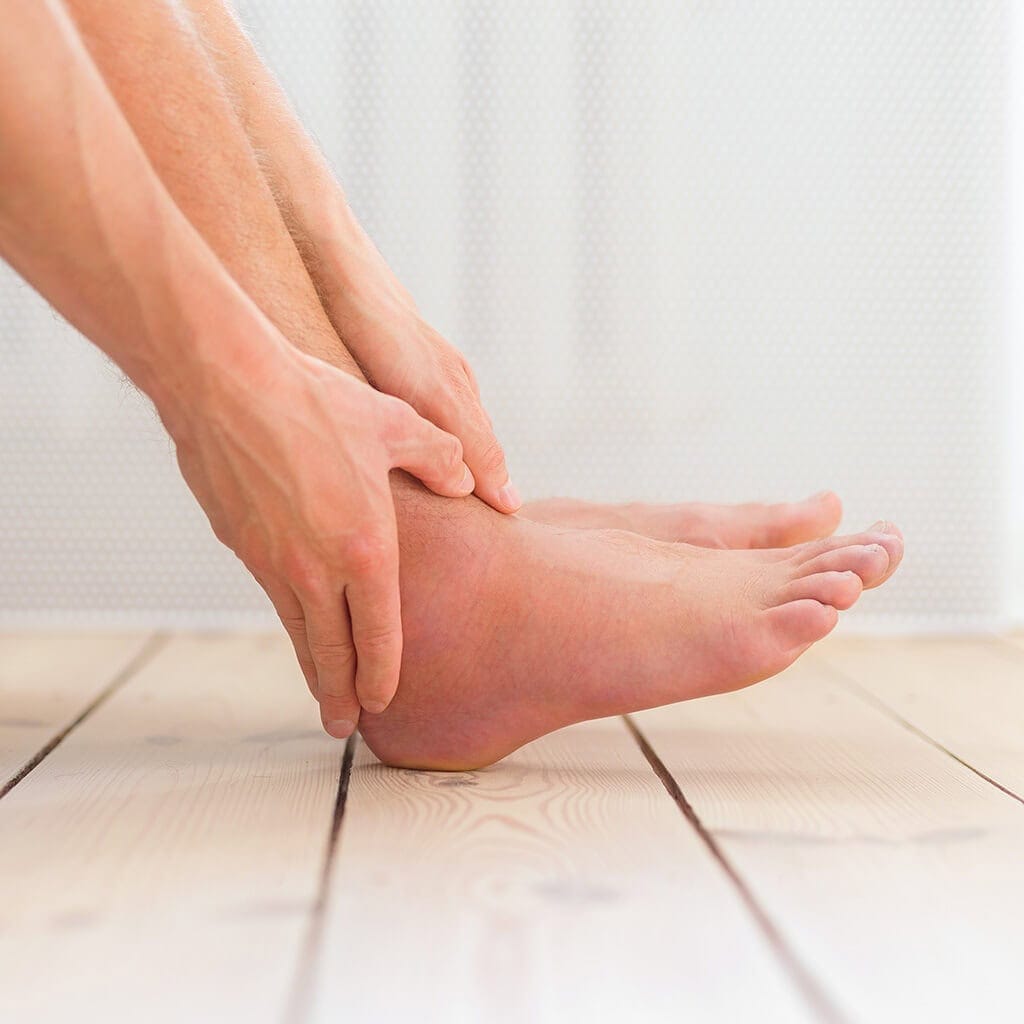
Joint Stiffness and Restricted Movement
Muscle tightness and sensitivity around a joint can sometimes make movement feel restricted or uncomfortable. This can affect working, exercising, sleeping and everyday activities.
Massage therapy may help reduce tension in the surrounding tissues and support short-term mobility. Treatment may be adapted for concerns such as:
- Shoulder stiffness
- Hip tightness
- Restricted neck movement
- Postural tension
- Discomfort associated with prolonged sitting
- Repetitive physical tasks
- General stiffness affecting daily activities
Your RMT may also recommend simple stretching, movement or activity strategies between appointments.
Massage therapy does not directly treat every joint or movement condition. When injury, weakness, balance or movement control is contributing to the problem, physiotherapy, chiropractic care or another healthcare service may be appropriate.

Mobility and Everyday Movement
Restricted or uncomfortable movement can make working, exercising, sleeping and daily activities more difficult.
Massage therapy may help reduce muscle tightness and support short-term movement around an affected area. Your RMT may also recommend simple stretching, movement or activity strategies between appointments.
Treatment can be adapted to concerns such as:
- Postural tension
- Muscle tightness after prolonged sitting
- Repetitive physical tasks
- Restricted neck or shoulder movement
- General stiffness
- Physical discomfort affecting daily routines

Exercise and Activity Recovery
Massage therapy can be adapted for recreationally active people, competitive athletes and anyone recovering from a physically demanding day.
Treatment may focus on:
- Exercise-related muscle soreness
- Training-related tension
- Restricted or uncomfortable movement
- Recovery between activities
- Areas affected by repetitive use
- Preparing for a gradual return to activity
Massage therapy does not prevent every injury, but it can form one part of a broader recovery or activity plan. When an injury requires strength, balance, mobility or return-to-sport rehabilitation, physiotherapy may also be appropriate.
Massage Therapy Treatments We Offer in Burlington
At Pillars of Wellness, we offer several massage therapy approaches based on your symptoms, goals and preferred pressure level. Your Registered Massage Therapist can help you choose an appropriate treatment if you are unsure which option best fits your needs.
Swedish Massage
Swedish massage uses lighter, flowing techniques and gentle-to-moderate pressure. It is commonly chosen by people looking for relaxation, general muscle comfort or a gentler massage therapy approach.
Swedish massage may help with:
- Stress-related muscle tension
- Mild muscle tightness
- Relaxation
- General physical fatigue
- Everyday muscle discomfort
Deep Tissue Massage
Deep tissue massage uses slower, more targeted techniques to address areas of persistent muscle tension and sensitivity. Pressure is adapted to your comfort and does not need to be extremely painful to be effective.
Deep tissue massage may help with:
- Persistent muscle tightness
- Postural tension
- Physical overuse
- Restricted or uncomfortable movement
- Exercise-related muscle tension
Sports Massage
Sports massage is designed for active individuals who want support with exercise recovery, training-related muscle tension and comfortable movement. Treatment can be adapted to your activity level, training schedule and current symptoms.
Sports massage may help with:
- Exercise-related muscle soreness
- Muscle fatigue
- Training-related tension
- Restricted or uncomfortable movement
- Recovery between activities
Prenatal Massage
Prenatal massage uses modified positioning, supportive pillows and adjusted pressure to support comfort during pregnancy. Treatment is adapted to your health history, stage of pregnancy and individual needs.
Prenatal massage may help with:
- Lower-back muscle tension
- Hip and pelvic muscle discomfort
- Neck and shoulder tension
- General muscle tightness
- Relaxation during pregnancy
Myofascial Release Massage Therapy
Myofascial techniques use sustained or gradual pressure around connective tissues that feel tight, sensitive or restricted. These techniques may be included as part of a broader massage therapy appointment rather than provided as a completely separate treatment.
Myofascial techniques may help address:
- Areas of persistent muscle tension
- Soft-tissue tightness
- Restricted or uncomfortable movement
- Sensitivity around muscles and connective tissues
- Tension associated with repetitive movement
What to Expect During Your First Massage Therapy Appointment
Your first massage therapy appointment begins with a conversation about your symptoms, health history and what you would like to improve. Your Registered Massage Therapist will take time to understand your needs and develop a treatment approach based on your goals, comfort and preferred pressure level.
Here is what typically happens during your first visit:
Step 1: Health History & Conversation
Your Registered Massage Therapist will review your health history, current symptoms and areas of discomfort. They may also ask about previous injuries, surgeries, medications, work activities, exercise habits and factors that affect how you feel during the day.
This conversation helps your therapist determine whether massage therapy is appropriate and whether any treatment modifications are needed. You can also discuss areas you would like treated, areas you prefer to avoid and the amount of pressure you are comfortable with.
Step 2: Assessment & Treatment Planning
Depending on your concerns, your therapist may complete a brief physical assessment before treatment begins.
This may include observing posture, movement or joint mobility and gently assessing areas of muscle tightness, sensitivity or restricted movement. The purpose is to better understand what may be contributing to your symptoms and determine which techniques may be appropriate.
Your therapist will explain the proposed treatment and obtain your consent before beginning. You can ask questions or decline any part of the assessment or treatment.
Step 3: Hands-On Massage Therapy Treatment
Your therapist will use massage techniques suited to your symptoms, goals and comfort level. Treatment may include therapeutic massage, Swedish massage, deep tissue techniques, myofascial techniques, trigger-point techniques or gentle stretching.
Professional draping is used throughout your appointment, and only the area currently being treated is uncovered. Your privacy and comfort are maintained at all times.
Communication is encouraged throughout the session. You can ask your therapist to adjust the pressure, positioning, technique or area being treated at any time.
After Your Session
Your therapist may discuss how you responded to treatment and provide recommendations based on your needs. These may include gentle stretching, movement suggestions, activity modifications or strategies for managing muscle tension between appointments.
Temporary tenderness can occur after a more focused massage treatment. Let your therapist know if you experience severe, unusual or worsening symptoms.
The total appointment length depends on the session you book, with 30-, 45-, 60- and 90-minute options available.
Why choose Pillars of Wellness for massage therapy in Burlington?
At Pillars of Wellness, we provide one-on-one massage therapy in a calm and professional clinic setting. Each appointment is based on your health history, symptoms, comfort and treatment goals.
Registered Massage Therapists
Your appointment takes place in a private treatment room with one Registered Massage Therapist. This gives you time to discuss your symptoms, preferences and goals without feeling rushed.
Treatment Adapted to Your Comfort
Your therapist can adjust the pressure, positioning, techniques and areas treated throughout the appointment. You can ask for a change at any time.
Private and Welcoming Treatment Rooms
Your RMT will explain the proposed treatment before beginning. Consent continues throughout the session, and you can pause, modify or decline any part of the treatment.
A Calm and Professional Clinic Environment
Our Burlington clinic is designed to support privacy, comfort and focused one-on-one care. Your therapist will explain what to expect and encourage you to communicate during the appointment.
Book Your Massage Therapy Appointment Today

Before Your Visit
Frequently Asked Questions
What can I expect during a massage therapy session?
Do I need to prepare for my massage session?
Is massage therapy covered by insurance in Burlington, Ontario?
How often should I get a massage?
Can I receive massage therapy if I’m pregnant?
Is massage therapy safe for everyone?
- Recent injuries or surgeries
- Heart conditions
- Skin infections
- Blood clots
Your therapist will adjust the treatment accordingly to ensure your safety and comfort.
How long are massage therapy sessions?
- 30 minutes (ideal for targeted pain relief)
- 60 minutes (a standard session for relaxation and therapeutic work)
- 90 minutes (for more in-depth treatment or full-body relaxation)
Your therapist will recommend the appropriate session length based on your goals.
Will I experience any discomfort during the massage?
What should I do after my massage session?
Can I combine massage therapy and physiotherapy?
Physiotherapy can help identify and address the underlying cause of pain while massage therapy focuses on relieving tension and improving mobility. So, yes, depending on your condition, combining physiotherapy treatment can be very beneficial in your recovery
Massage Therapy in Burlington – Transparent Pricing, Personalized Treatment
Every session is tailored to your needs with transparent fees. Book your appointment today and experience why so many in Burlington trust our massage therapy team for consistent, personalized care.
Direct billing available
Consultation (15 min) = Free
Massage Therapy Session (60 minutes): $117
30 minutes, 45 minutes and 90 minutes offered
Prices don’t include HST.
Payment Options
Auto Insurance
If you have an illness or injury from a motor vehicle accident, health services may be covered under your auto insurance plan.
Extended HEalth Benefits
If you are receiving long-term disability income from an insurance program, your program may cover various health services, or you might have a work benefits package which covers a portion of the health services.
Private Services
At Pillars of Wellness we offer competitive rates within the standards of our regulatory colleges. We accept payment through cash, credit or debit. Please contact us for more details related to service fees.
