 See Our Reviews:
Tennis Elbow Treatment in Burlington for Pain, Weakness and Grip Problems
Pain on the outside of your elbow when gripping, lifting, typing, working out, or playing sports may be a sign of tennis elbow. Also called lateral epicondylitis or lateral elbow tendinopathy, this common overuse injury affects the forearm muscles and tendons that help control your wrist and grip.
At Pillars of Wellness, our Burlington physiotherapists assess your elbow pain, grip strength, forearm strength, movement, tendon loading, and daily activity demands to understand what may be driving your symptoms.
Your tennis elbow treatment may include progressive strengthening exercises, load management, activity modification, manual therapy, and targeted rehabilitation to reduce pain and rebuild your elbow’s capacity.
If elbow pain is limiting your work, workouts, sport, or everyday activities, book a physiotherapy assessment in Burlington and start building a plan for recovery.
Why Choose Pillars of Wellness for Tennis Elbow Physiotherapy?
- 5 One-on-One Tennis Elbow Assessment
- 5 Registered Physiotherapists in Burlington
- 5Progressive Strengthening & Tendon Rehabilitation
- 5Shockwave Therapy Available When Appropriate
- 5 Direct Billing Available
- 5 Evening & Weekend Appointments
Can Physiotherapy Help Tennis Elbow?
Yes. Physiotherapy is commonly used to help manage tennis elbow pain, weakness, and reduced grip strength by addressing both the irritated tendon and the activities that continue to place stress on it.
Rather than relying on rest alone, treatment often focuses on gradually rebuilding the capacity of the wrist extensor muscles and common extensor tendon through progressive exercise. Your physiotherapist may also look at your grip, wrist and elbow movement, shoulder strength, work demands, sports technique, and any recent increase in repetitive activity.
Depending on your assessment, tennis elbow physiotherapy may include:
- Progressive tendon-loading and strengthening exercises
- Grip and forearm strengthening
- Activity and workload modification
- Manual therapy when appropriate
- Guidance for returning to work, sport, or the gym
- Shockwave therapy for selected cases
The aim is not simply to make your elbow feel better temporarily. It is to help the tendon tolerate everyday lifting, gripping, exercise, and repetitive tasks with greater confidence.
For people with persistent lateral elbow pain, an individualized rehabilitation plan can also help identify why symptoms keep returning and how to reduce future flare-ups.
What Is Tennis Elbow?
Tennis elbow is a common cause of pain on the outside of the elbow. It is linked to irritation and overload of the tendons that connect the forearm muscles to the elbow.
The condition is often called lateral epicondylitis. You may also hear the term lateral elbow tendinopathy, which better reflects how the tendon can change when it is placed under repeated stress.
Despite the name, you do not need to play tennis to develop it.
Tennis elbow can affect people who:
- Lift or carry items often
- Use tools for work
- Type or use a mouse for long periods
- Play racquet or throwing sports
- Garden or do home projects
- Perform repeated gripping or wrist movements
- Increase gym or exercise loads too quickly
The pain often starts gradually. At first, you may notice discomfort when gripping or lifting. Over time, even simple tasks such as opening a jar, shaking hands, or picking up a cup may become painful.
The good news is that tennis elbow can often improve with the right mix of load management, strengthening exercises, and gradual return to activity.
Common Tennis Elbow Symptoms
Tennis elbow symptoms often start slowly and may get worse as the tendon is exposed to repeated gripping, lifting, or wrist movement. The pain is usually felt on the outside of the elbow, but it can also spread into the forearm.
Common signs of tennis elbow include:
- Pain or tenderness on the outside of the elbow
- Elbow pain when gripping or lifting
- Weak or painful grip strength
- Forearm pain or tightness
- Pain when opening jars, turning a doorknob, or carrying bags
- Discomfort when using tools, a mouse, or keyboard
- Pain during tennis, golf, weight training, or other sports
- Symptoms that improve with rest but return when activity increases
Some people only notice mild pain at first. Others find that everyday tasks become difficult.
The type and severity of your symptoms can also help guide tennis elbow treatment. A physiotherapy assessment can identify which movements are sensitive and how much load your elbow can currently tolerate. This helps your physiotherapist choose the right tennis elbow exercises and progress them as your strength improves.
What Causes Tennis Elbow?
Tennis elbow usually develops when the forearm muscles and tendons are exposed to more load than they can handle. This can happen from repeated gripping, lifting, twisting, or wrist movements, especially when the amount or intensity of activity increases too quickly.
Common triggers include:
- Racquet sports such as tennis or pickleball
- Weight training or new gym exercises
- Repetitive lifting at work
- Using hand tools or power tools
- Gardening, painting, or home projects
- Frequent gripping, carrying, or twisting
- A sudden increase in work, sport, or training
Tennis elbow is not always caused by one specific activity. In many cases, tennis elbow pain develops over time as the tendon struggles to keep up with repeated stress.
This is why simply resting the elbow may not solve the problem. Once symptoms settle, returning to the same activity without rebuilding strength can cause the pain to return.
Effective tennis elbow treatment often includes changes to painful activities along with tennis elbow exercises that gradually strengthen the forearm and improve the tendon’s ability to handle load.
Why Is My Tennis Elbow Not Getting Better?
Tennis elbow can last longer than expected, especially if the tendon keeps being exposed to the same strain that caused the problem.
Common reasons tennis elbow pain may persist include:
- Resting for weeks without rebuilding strength
- Returning to sport or work too quickly
- Repeating painful gripping or lifting tasks
- Doing exercises that are too easy or too difficult
- Stretching the forearm without enough strengthening
- Increasing gym or work loads faster than the elbow can tolerate
- Treating the painful area without addressing the activity causing it
The right tennis elbow treatment is not always about doing less. Often, the goal is to find the right amount of activity while gradually improving the strength of the forearm and tendon.
A physiotherapist can assess your grip strength, painful movements, work or sport demands, and current exercise tolerance. From there, your tennis elbow exercises can be adjusted and progressed as your symptoms improve.
If your elbow pain keeps returning or has not improved with rest, book a tennis elbow physiotherapy assessment at Pillars of Wellness in Burlington to find out what may be holding your recovery back.
When Should You See a Physiotherapist for Tennis Elbow?
You do not need to wait until tennis elbow pain becomes severe before getting help. Physiotherapy may be worth considering when symptoms start to affect your work, exercise, sport, or daily routine.
You may benefit from a physiotherapy assessment if:
- Elbow pain has lasted more than a few weeks
- Pain keeps returning after rest
- Gripping, lifting, or carrying has become difficult
- Your grip feels weaker than usual
- Tennis, pickleball, golf, or gym exercises trigger pain
- Work tasks are becoming harder to manage
- You are unsure which tennis elbow exercises are safe to do
- Home treatment has not led to steady improvement
Early assessment can help identify which movements are irritating the tendon and what your elbow can tolerate right now.
At Pillars of Wellness, your tennis elbow treatment is based on your symptoms, strength, activity level, and goals. If elbow pain is limiting what you want or need to do, book a tennis elbow physiotherapy assessment in Burlington and get a clear plan for recovery.
What Happens During a Tennis Elbow Physiotherapy Assessment?
Your first visit is about understanding why your elbow hurts and what is making the problem worse.
Your physiotherapist will ask about your tennis elbow symptoms, when they started, which activities trigger pain, and how the problem affects work, exercise, sport, or daily tasks.
The physical assessment may include:
- The exact location of your elbow pain
- Tenderness around the outer elbow and forearm
- Wrist and elbow movement
- Grip strength
- Pain with gripping, lifting, or resisted wrist movements
- Forearm and upper-arm strength
- Work, sport, and exercise demands
Your physiotherapist may also assess the shoulder, neck, or nerves if your symptoms suggest the pain could be coming from another area.
The goal is to confirm whether your symptoms fit tennis elbow or lateral elbow tendinopathy, understand how much load your elbow can manage, and establish a starting point for recovery.
After the assessment, your physiotherapist will explain the findings and recommend the next steps for your tennis elbow treatment.
Tennis Elbow Treatment: Building Strength for Lasting Recovery
For many people, tennis elbow treatment is less about “fixing” the tendon in one visit and more about helping it become stronger over time.
A physiotherapy program often starts by reducing the strain that keeps triggering tennis elbow pain. This does not always mean stopping work, exercise, or sport. Instead, your physiotherapist may help you change how much you do, how often you do it, or how you perform certain tasks while the elbow settles.
As symptoms improve, treatment places more focus on tennis elbow exercises that build:
- Wrist and forearm strength
- Grip strength
- Tendon tolerance
- Upper-arm and shoulder strength when needed
- Confidence with lifting and repetitive tasks
The exercises are then made harder as your elbow becomes more capable. This gradual process is known as progressive loading.
For persistent lateral elbow pain, other treatments such as manual therapy or shockwave therapy may be considered alongside exercise.
The goal is to help you move from painful daily tasks back to the activities that matter to you, whether that means work, the gym, gardening, pickleball, golf, or tennis.
Tennis Elbow Exercises: Why Progressive Strengthening Matters
The right tennis elbow exercises can help reduce pain and rebuild the strength your elbow needs for daily activity.
Early exercises are often simple. They may focus on gentle wrist movements, light resistance, or holding a position without moving. As tennis elbow pain improves, the exercises can become harder.
A physiotherapy program may include:
- Wrist extensor strengthening
- Forearm strengthening
- Grip exercises
- Isometric exercises
- Slow resistance exercises
- Shoulder and upper-arm strengthening when needed
The key is progression. Doing too little may not challenge the tendon enough. Doing too much, too soon, may increase symptoms.
Your physiotherapist can adjust the weight, number of repetitions, and exercise speed based on how your elbow responds.
At Pillars of Wellness, we use tennis elbow exercises as part of a wider treatment plan. The goal is to improve tendon strength and help you return to lifting, work, gym training, pickleball, tennis, golf, or other activities with less pain.
If you are unsure which exercises are right for your symptoms, a tennis elbow physiotherapy assessment in Burlington can give you a safer and more structured starting point.
Can Shockwave Therapy Help Tennis Elbow?
For some people with persistent tennis elbow pain, shockwave therapy may be considered as part of a broader physiotherapy plan.
Shockwave therapy uses controlled sound waves to stimulate the painful tendon area. It is often used when tennis elbow symptoms have lasted for several weeks or months and have not improved enough with exercise and activity changes alone.
At Pillars of Wellness, shockwave therapy is not used as a stand-alone fix. When appropriate, it may be combined with:
- Tennis elbow exercises
- Progressive strengthening
- Grip and forearm training
- Load management
- Changes to work, sport, or gym activity
The main goal is still to help the tendon become stronger and better able to handle daily demands.
Not everyone with tennis elbow needs shockwave therapy. Your physiotherapist can assess whether it may be a useful part of your tennis elbow treatment.
If your elbow pain has been slow to improve, book a tennis elbow physiotherapy assessment in Burlington to discuss whether shockwave therapy should be included in your recovery plan.
Why Choose Pillars of Wellness for Tennis Elbow Physiotherapy?
When elbow pain affects your work, workouts, sport, or daily routine, you want more than a generic exercise sheet. You need a plan that fits your symptoms, goals, and the activities you want to return to.
At Pillars of Wellness, our approach to tennis elbow physiotherapy in Burlington includes:
- One-on-one physiotherapy sessions focused on your needs
- A detailed assessment of your tennis elbow symptoms, strength, grip, and movement
- Progressive tennis elbow exercises that change as you improve
- Treatment plans built around work, sport, gym, and daily activities
- Shockwave therapy available when appropriate for persistent cases
- Access to other rehabilitation services when a broader approach may help
- Private treatment rooms and direct billing to many insurance plans
- Evening and weekend appointments for added flexibility
Our goal is to help you understand what is driving your tennis elbow pain, rebuild strength, and return to the activities that matter to you.
If you are looking for tennis elbow treatment in Burlington, book a physiotherapy assessment at Pillars of Wellness and get a clear plan for your recovery.
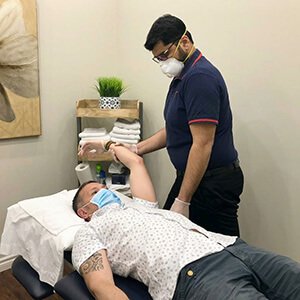
Flexibility and accommodation to make your appointment viable and fit to your schedule

Highly recommended for everyone who is looking for friendly, warm and very professional help in physiotherapy. Flexibility and accommodation to make your appointment viable and fit to your schedule. Warm, new and clean environment going very well together with informative and friendly, professional personnel. My therapy clinical notes, invoices and appointment reminders were also available on line and on time. Khizar, Nancy, Thank you.
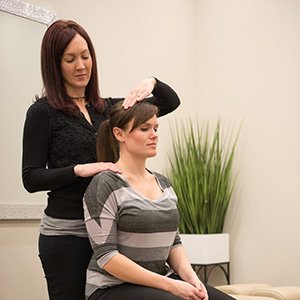
Feeling better by the day. Thank you so much!
This is the first time I give a review. I cannot say enough about this clinic. They are really amazing. Friendly, great customer service and helped me with a condition I have for years. Feeling better by the day. Thank you so much!

I was very impressed by their customer service and professionalism
I recently used Pillars of Wellness services for my injuries. I was very impressed by their customer service and professionalism. The first time I came to do my assessment, the owner, the physiotherapist and the chiropractor sat with me to help me figure out the best way to feel better and faster. I spent 6 weeks with on-going treatment using different modalities. The end result was no more pain and I was able to move again!! Thank you so much for your help. I highly recommend this clinic to anyone.
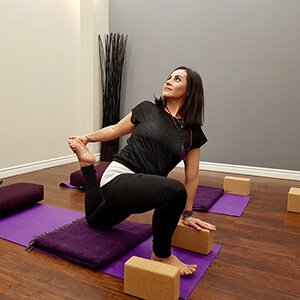
Summing it up Pillars of Wellness is a well run top notch health clinic!
Lori and Laurent Pinci who run Pillars of Wellness along with their team are very professional and efficient. They make you feel welcome with a smile and kind words every time you walk through their doors. They truly care. We have not yet had the need to experience the many other services that Pillars of Wellness offers, but if we ever did, we definitely would not hesitate to use them.
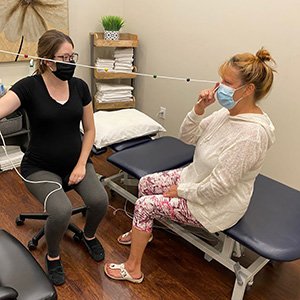
I’m feeling very supported during my recovery….
On the advice of a friend, I reached out and booked a series of appointments with their occupational therapist, Lori; physiotherapist, Abida; and their naturopath, Dr. Galantai to help with recovering from a concussion. It has been an excellent experience! They are all incredible practitioners.
This is the first time I’ve ever experienced a longer term injury and their genuine, individualized care has really lessened my stress. I’m feeling very supported during my recovery and highly recommend their clinic. I credit my continual improvement to the holistic way I’m getting treatment for my symptoms and am very grateful.
I went to different clinics I finally found one worth going to.
Friendly, caring and professionals like nothing I have seen around Aldershot//Burlington. Attentive to the needs of their patients. They take the time to listen. Beautiful and well designed clinic that is extremely well maintained. I have had two car accidents in the last year and I went to different clinics I finally found one worth going to.
Frequently Asked Questions About Tennis Elbow
How do I know if I have tennis elbow?
Common tennis elbow symptoms include pain or tenderness on the outside of the elbow, pain when gripping or lifting, forearm discomfort, and reduced grip strength. A physiotherapy assessment can help confirm whether your symptoms fit tennis elbow or may be coming from another source.
Can physiotherapy help tennis elbow?
Physiotherapy can help by reducing strain on the irritated tendon and gradually rebuilding strength. Tennis elbow treatment often includes load management, progressive strengthening, grip exercises, and changes to activities that trigger pain.
What are the best exercises for tennis elbow?
The best tennis elbow exercises depend on how painful and irritable the tendon is. Treatment may include isometric exercises, wrist extensor strengthening, grip training, and slow resistance exercises. The exercises should become more challenging as your elbow improves.
Should I rest my arm if I have tennis elbow?
Complete rest is not always needed. Reducing or changing painful activities can help settle tennis elbow pain, while controlled exercise helps rebuild strength. Your physiotherapist can help you find the right balance between activity and recovery.
How long does tennis elbow take to heal?
Recovery varies. Mild cases may improve within several weeks, while long-standing lateral elbow tendinopathy can take several months. Your recovery time may depend on how long you have had symptoms, your work or sport demands, and how consistently you follow your rehabilitation plan.
Does shockwave therapy work for tennis elbow?
Shockwave therapy may be considered for some people with persistent tennis elbow. It is usually used alongside tennis elbow exercises and progressive strengthening, rather than as a replacement for rehabilitation. Your physiotherapist can advise whether it is appropriate for your case.
Do I need a tennis elbow specialist?
Many cases can be assessed and treated by a physiotherapist with experience managing elbow and tendon injuries. If you are searching for a tennis elbow specialist in Burlington, our physiotherapists can assess your symptoms and determine whether physiotherapy is appropriate or whether further medical assessment is needed.
Can tennis elbow come back?
Yes. Symptoms can return if the elbow is exposed to more load than it is ready to handle. Building forearm and grip strength, increasing activity gradually, and managing repetitive tasks can help lower the risk of another flare-up.
Is tennis elbow the same as golfer's elbow?
No. Tennis elbow usually causes pain on the outside of the elbow, while golfer’s elbow more often affects the inside. Both can involve tendon overload, but the affected muscles and treatment exercises may differ.
When should I book physiotherapy for tennis elbow?
Consider booking an assessment if elbow pain has lasted more than a few weeks, keeps returning, affects your grip, or limits work, exercise, or sport. If you are looking for tennis elbow physiotherapy in Burlington, Pillars of Wellness can assess your symptoms and build a treatment plan around your goals.
