Preparing for Mount Kilimanjaro takes far more than fitness alone. From long training hikes and backpack practice to gear testing, pacing, recovery and altitude preparation, we’re sharing what our journey to 5,895 meters looks like before we ever set foot on the mountain.
Pillars of Wellness Blog: Health, Physiotherapy & Well-Being Tips
From Marathon to Mountain: How Our Kilimanjaro Fundraiser Came to Life
What started as a search for our next personal challenge became something much bigger. Discover how our Mount Kilimanjaro journey grew from an idea after completing a marathon into months of planning, training and preparation—and ultimately into Climbing Higher Together, a fundraiser supporting mental health through CAMH.
How Long Does Physiotherapy Take? A Realistic Guide to Recovery Timelines
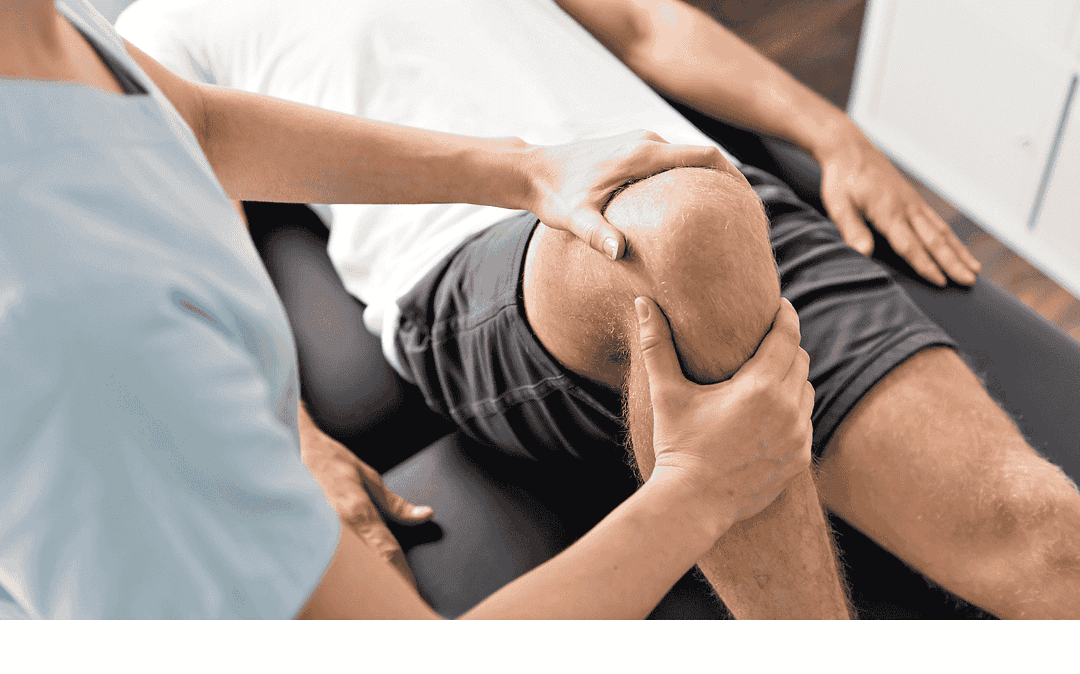
How many sessions am I going to need?” It’s one of the first questions our physiotherapists hear from new patients. The honest answer: recovery doesn’t follow a universal timeline. Here’s what actually determines how long physiotherapy takes — and how to get there faster.
Workplace Anxiety and Burnout: Signs, Symptoms and Recovery
Workplace anxiety and burnout can affect your sleep, energy, concentration, and overall well-being. Learn the common signs of work-related stress, emotional exhaustion, and burnout, as well as practical strategies that can help support recovery and improve work-life balance.
Signs of High-Functioning Anxiety and Chronic Stress
High-functioning anxiety can cause ongoing stress, overthinking, perfectionism, sleep problems, and emotional exhaustion while someone still appears productive externally. Learn the common signs of high-functioning anxiety, how it affects mental and physical well-being, and how counselling may help support long-term emotional health.
How Anxiety Affects Sleep and Fatigue
Anxiety can affect both the mind and body, often contributing to poor sleep, exhaustion, racing thoughts, and ongoing fatigue. Learn how anxiety affects the nervous system, why sleep problems happen, and how counselling and healthy coping strategies may help support recovery and long-term mental well-being.
Panic Attack Symptoms, Causes & Treatment Options
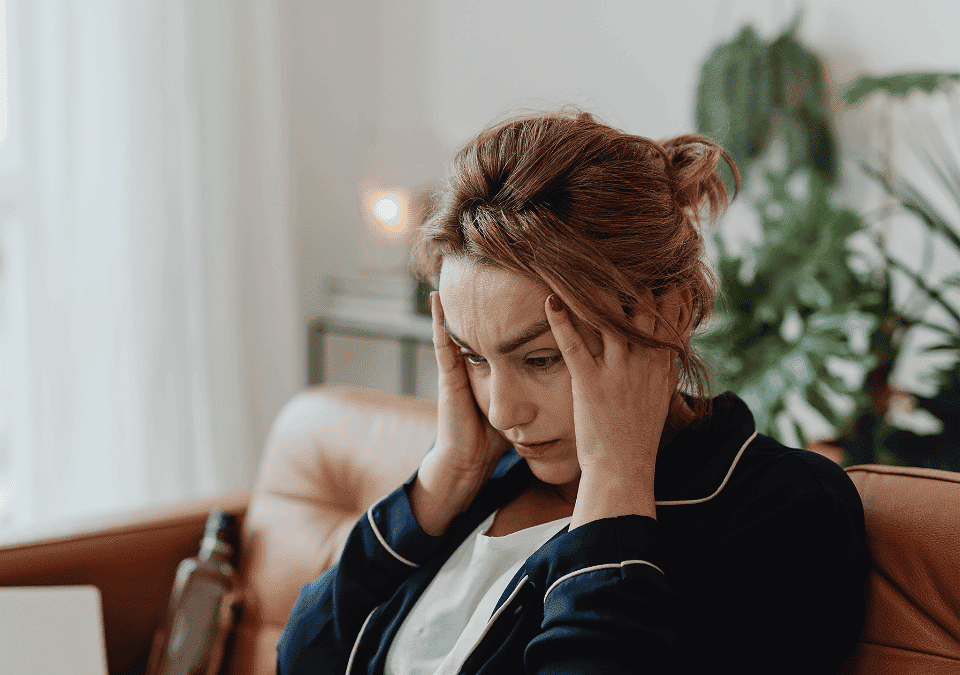
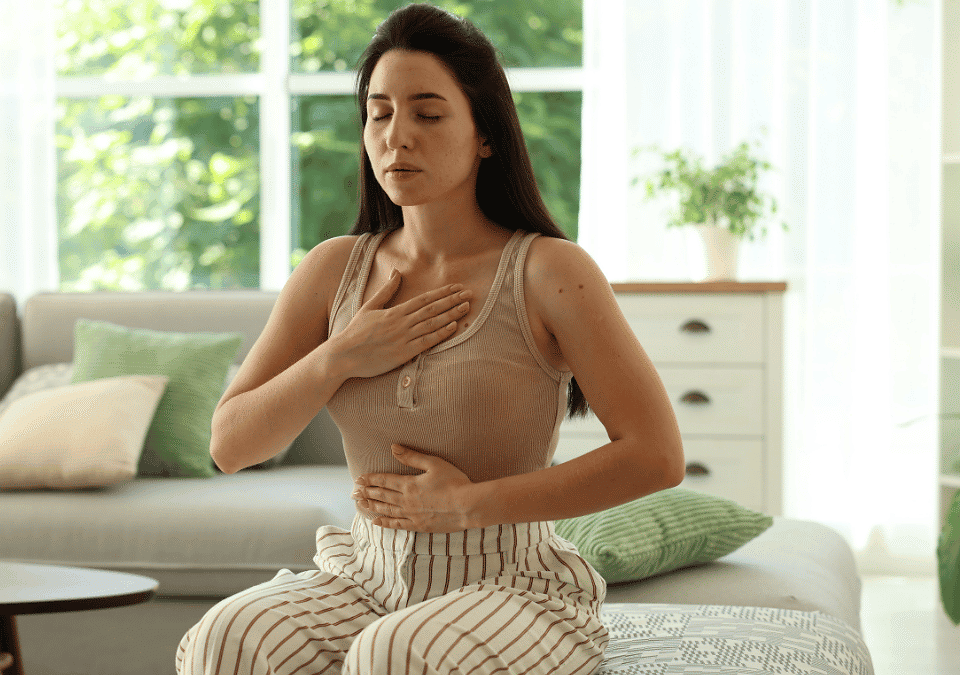
Panic attacks can cause intense physical and emotional symptoms such as chest tightness, dizziness, rapid heartbeat, shortness of breath, and overwhelming fear. Learn what causes panic attacks, how anxiety affects the nervous system, and what treatment options may help support long-term recovery and mental well-being.
Physical Symptoms of Anxiety Explained: When Stress Starts Affecting Your Body
Physical symptoms of anxiety can affect both the mind and body, often showing up as chest tightness, dizziness, fatigue, muscle tension, headaches, or stomach discomfort. Learn how anxiety impacts the nervous system, why these symptoms happen, and how counselling and stress management strategies can support recovery and overall mental well-being.
Why More Burlington Residents Are Choosing Physiotherapy Over Painkillers in 2025
More Burlington residents are ditching painkillers and booking physiotherapy instead — and the science backs them up. This article breaks down what modern physiotherapy actually looks like in 2025, the conditions it treats, and how to know when it’s time to book your first session.
Hip Pain and Femur Fracture Physiotherapy Treatment in Burlington
Hip pain and femur fractures can significantly affect mobility and independence. Learn how physiotherapy helps restore hip joint strength, movement, and long-term function after injury or surgery.
Wellness Care Coordinator – An Approach to Better Health
Wellness care coordinator helps people understand, organize, and navigate their health through coordinated and integrated care. This article explains what it is, how it works, and how it supports better health, wellbeing, and daily living.
Perimenopause and Menopause: Symptoms, Support, and Treatment Options
Perimenopause and menopause are natural life stages that involve hormonal changes and evolving symptoms. Learn what to expect, when testing may help, and evidence-based ways to feel supported.