Navigating your health can feel overwhelming, especially when seeking answers beyond symptoms. Naturopathic medicine provides a supportive path to wellness, focusing on you as a whole person. A naturopathic doctor uses natural, non-invasive therapies to boost your body’s natural healing abilities.
This guide covers ten common health conditions that naturopathic care can manage well. By identifying the root causes of your health issues, we can develop a personalized treatment plan. This plan will help you feel better and thrive.
What Services Do Naturopathic Doctors Provide?
Naturopathic doctors are skilled healthcare providers. They use natural remedies and a holistic approach to help your body heal. Their therapies include herbal medicine, clinical nutrition, acupuncture, and lifestyle counseling.
Your first visit is a thorough examination of your medical history and current lifestyle, lasting for over an hour. This allows your health practitioner to listen carefully to your chief concern and goals. To gain deeper insights, they may also request lab tests. From there, a personalized treatment plan is developed specifically for you. You can visit our naturopathic clinic in Burlington if you live nearby, for more information or to book an appointment.
What Health Conditions Can Naturopathic Doctors Help With?
Naturopathic medicine covers a wide range of conditions. Here are ten common areas where a naturopathic doctor can provide significant support.
1. Allergies
Allergies show that your immune and digestive systems may not work well. A naturopathic doctor aims to strengthen these core functions for lasting relief, rather than just easing symptoms. For seasonal allergies, starting treatment a few months before allergy season helps a lot. This proactive approach helps your body build resilience and reduce its reactivity.
Good health and lasting relief from allergy symptoms often depend on nutrition. Your naturopathic doctor can find potential food sensitivities using an elimination diet or specific tests. We might also suggest adding quercetin-rich foods like onions and apples. Quercetin works as a natural antihistamine. Also, probiotics can support gut health and help regulate your immune response. Simple additions like local honey or herbs like butterbur can manage allergy symptoms. These steps create a balanced and lasting way to improve your overall health.
2. Headaches and Migraines
Occasional headaches are somehow common, but migraines can impact to function. Headaches often come from muscle tension or bad posture. But they can also be caused by hormonal imbalances, dehydration, food sensitivities, or poor nutrition. A naturopathic doctor looks at the whole picture and does a detailed check to find the real cause of your headaches.
This investigation helps find out if the issue relates to your nervous system, digestive health, or other factors. By identifying the root cause, we can tailor naturopathic treatments to the specific problem.
For example, specific dietary changes, like cutting out trigger foods such as aged cheese or processed meats, can offer relief. We might also suggest adding nutrients like magnesium or coenzyme Q10, which studies show can lower migraine frequency.
Furthermore, therapies like acupuncture are well-known for their effectiveness in managing chronic headaches. It works by addressing energy flow and releasing tension. Combining these targeted treatments with simple lifestyle adjustments, such as ensuring proper hydration and practicing stress management techniques like deep breathing, offers a sustainable solution for long-term relief.
3. Fertility Challenges
Facing fertility issues can be a physically and emotionally draining experience for both men and women. While conventional treatments are available, they can be expensive and complex. Naturopathy offers a supportive, natural alternative that focuses on optimizing your overall health to improve fertility.
Our naturopathic doctors take a holistic approach to boost reproductive health, steering clear of invasive procedures whenever we can. This begins with a comprehensive look at your health, including nutrition. We may suggest a diet high in antioxidants and healthy fats. We highlight key nutrients like folic acid and zinc that support reproductive health. Acupuncture can improve fertility. It boosts blood flow to reproductive organs and balances hormones. When combined with stress management, naturopathy helps create the best conditions for conception.. This approach offers a less stressful and more sustainable path to parenthood.
4. Digestive Issues
Your digestive health is key to your well-being. It affects your mood and immune system. Instead of just treating symptoms like bloating or discomfort, a naturopathic doctor aims to find and fix the root cause of your digestive issues. Our practitioners are well-trained in digestive health. They can help manage conditions like Irritable Bowel Syndrome (IBS), acid reflux (GERD), and ulcers.
This approach usually starts with personalized nutritional counseling. For example, we might suggest a low-FODMAP diet for IBS or pinpoint specific food sensitivities. We may also recommend targeted natural therapies. This includes adding certain probiotics to balance gut bacteria or using herbs like slippery elm to soothe the digestive lining. By combining these strategies with stress management techniques, we support gut-brain health. Together, we can create a plan to restore balance to your digestive system.
5. Obesity and Weight Management
The Public Health Agency of Canada reports that 64% of Canadian adults were overweight or obese in 2017. Many quick-fix diets fail. They often ignore the real causes of weight gain, such as metabolic factors, lifestyle, and individual body types.
Naturopathic doctors create personalized and sustainable weight loss plans. These plans go beyond counting calories. They focus on building healthy eating habits. They also address hormonal factors that affect weight. They aim to achieve lasting lifestyle changes. The goal is to achieve gradual and lasting weight loss, not a temporary solution.
6. Hormonal Imbalances
Hormones are strong chemical messengers. They control your metabolism, growth, and immune function. When hormones are unbalanced, they can disrupt many body systems. This affects your brain, heart, and reproductive health. Naturopathic doctors use natural, evidence-based approaches to help restore this delicate balance.
These methods can include specific dietary changes. For example, increasing fiber and cruciferous vegetables like broccoli can help with estrogen metabolism. We may also suggest targeted supplements like Vitex (chaste tree) to regulate menstrual cycles. Adaptogenic herbs, such as ashwagandha, support adrenal health and help manage cortisol levels. Therapies like acupuncture can effectively balance hormones and ease symptoms of conditions such as PCOS, menopause, and thyroid disorders. This supports your body’s natural regulation.
7. Depression and Mental Health
Naturopathic care can be a powerful component of a comprehensive mental health plan. It looks at the physiological factors that can lead to depression and other mental health issues. Nutrition is important because the brain needs a steady supply of specific nutrients and chemicals to work well.
Naturopathic doctors focus on a balanced diet, gut health, and wellness to boost mood and mental resilience naturally. The gut-brain connection is key. The digestive system controls the immune system, which affects brain function. Exercise also plays a vital role in mental health. Along with nutrition and physical activity, therapies like yoga, meditation, and acupuncture can be very helpful.
8. Chronic Fatigue and Low Energy
Feeling tired all the time can be a sign of an underlying imbalance. Chronic fatigue goes beyond feeling sleepy. It’s a lasting exhaustion that rest won’t fix. A naturopathic doctor can help find the root causes. These may include nutrient deficiencies, hormonal imbalances, chronic infections, or poor sleep quality.
A personalized plan to boost your energy often starts with lab tests. These tests check for deficiencies in iron, vitamin B12, and vitamin D. Based on the results, suggest dietary changes. This could include adding more iron-rich foods or specific supplements. Adaptogenic herbs, like Rhodiola can help your body manage stress. Improving sleep hygiene is also essential. By focusing on these areas, a tailored plan can revive your energy and vitality.
9. Skin Conditions
Your skin is often a reflection of your internal health.
Conditions like eczema, acne, and psoriasis can be linked to:
-
digestive issues
-
food sensitivities
-
hormonal imbalances
-
high-stress levels
A naturopathic approach looks beyond topical treatments to address these internal triggers.
To achieve healthier, clearer skin from the inside out, we often focus on nutrition and gut health. This can include an elimination diet to find inflammatory foods. Adding omega-3-rich foods like fish and walnuts can help reduce inflammation. We may also suggest supplements like zinc for acne or probiotics for a healthy gut. By combining these dietary changes with stress management and specific herbal remedies, we can tackle the root cause of skin issues and help you see lasting results.
10. Chronic Pain and Inflammation
Chronic pain from conditions like arthritis or fibromyalgia can hurt your quality of life. Naturopathic medicine provides effective ways to manage pain and lower inflammation. Our aim is to enhance your body’s function and mobility while reducing your need for pain medication.
You can adopt an anti-inflammatory diet. This includes foods like fatty fish, leafy greens, and berries. We may suggest specific herbal remedies too. Options like turmeric (curcumin) or Boswellia have shown anti-inflammatory effects. Also, therapies such as acupuncture can help manage pain. It works by releasing endorphins, your body’s natural painkillers. By combining these methods with personalized physical medicine, we can develop a complete plan to help you manage pain in a comprehensive manner.
Note: It’s important to consult with a healthcare professional before making any changes to your diet or starting any new herbal remedies. They can provide personalized recommendations and monitor your progress.
Take the Next Step with Pillars of Wellness
Book an appointment with our naturopathic doctor to start your journey to optimal health. Our team will create a personalized treatment plan for your unique needs. We focus on the root cause to help you achieve lasting results and live your best life.
Why Choose Pillars of Wellness?
Pillars of Wellness is a multidisciplinary clinic dedicated to providing integrated, patient-centered care. We offer a range of therapies, including naturopathy at our Burlington clinic, chiropractic care, physiotherapy, counseling, and more. Our team collaborates to ensure you receive the most comprehensive and effective treatment.
Our clinic is situated in Burlington, within the Aldershot community, adjacent to IKEA and Fortino on Plains Road, and in proximity to Joseph Brant Hospital.
Call us today to book your appointment with one of our naturopathic doctors and begin your journey toward better health.
Frequently Asked Questions
What is the difference between a naturopathic doctor and a medical doctor?
The main difference is the use of conventional medicine versus natural remedies and it’s approach. Licensed naturopathic doctors (NDs) graduate from accredited naturopathic medical colleges. They practice a form of complementary and alternative medicine. Naturopathic medicine treats the whole person and boosts the body’s natural healing ability.
Unlike conventional medicine, which targets specific symptoms of chronic illness, naturopathy looks for and addresses the root cause. Naturopathic practitioners use natural therapies and aim to change lifestyle habits. They often work with other healthcare providers in an integrative health model.
Are naturopathic doctors licensed and regulated?
Yes, many jurisdictions regulate the naturopathic profession. Licensed naturopaths have completed rigorous training from an accredited naturopathic medical college. They must pass professional board exams to become licensed. It is important to seek out licensed naturopathic doctors to ensure you are receiving care from a qualified professional. You can often verify credentials on a naturopathic physician’s website. Be aware that some traditional naturopaths may not have the same level of training or licensure.
What kind of treatments do naturopathic physicians use?
Naturopathic physicians use a wide range of therapies to create a personalized treatment plan based on your unique medical history and health goals. These treatments often include:
-
Clinical nutrition and dietary counseling
-
Botanical medicine (herbal remedies)
-
Acupuncture and Traditional Chinese Medicine
-
Lifestyle counseling to address stress, sleep, and exercise.
-
Physical medicine
Some NDs with more training may also qualify to perform minor surgeries.
Is naturopathy a form of alternative medicine?
Yes, naturopathic medicine is a well-known type of alternative medicine. It focuses on holistic, patient-centered care. The American Cancer Society says some alternative therapies need more research. Still, many people feel that naturopathic methods enhance their conventional medicine treatments. The aim of naturopathic medical care is to offer a complete path to wellness for your whole body.
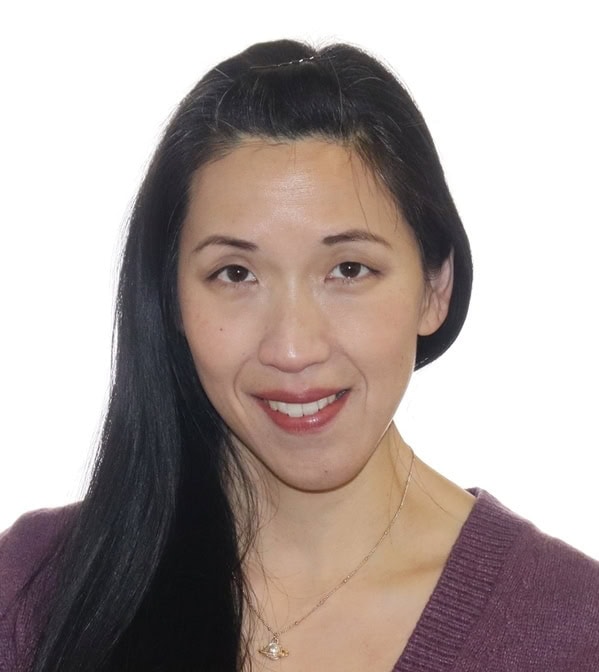
Dr. Jane Shou, Naturopathic Doctor