What are shin splints?
Medial Tibial Stress Syndrome (MTSS), or more commonly known as shin splints, is a condition caused by overuse, which leads to a nagging pain on the inside of the shin bone when weight bearing.
Shin splints are often seen in athletes who do repetitive activities such as running or jumping. These sports cause repetitive stress on the shinbones and the tissues that attach to it, leading to irritation and pain. If not addressed, shin splints can result in a tibial stress fracture.
How does shin splint occur?
Shin splints most often occur in athletes who have suddenly changed their training in some way. For example, suddenly increasing running mileage (either someone who has not run in a while beginning to add running to their weekly routine or a regular runner suddenly increasing their mileage), a sudden change in terrain or changing shoes.
This change in activity changes the load on our bones and tissues. If we run a distance that our bodies are used to, we will be able to handle the stress placed on it. However, when we change the terrain suddenly or the shoes we are running in, this changes the way our tissues are loaded.
Repeatedly loading our tissues in this unfamiliar way, before they are accustomed to the new load, will cause stress and over-use conditions such as MTSS. Furthermore, this can also happen with sudden changes in distance; suddenly increasing the amount of load on our tissues before they are ready.
How do I avoid shin splints?
To avoid shin splints, make changes to your training gradually. Gradually increase your distance, or gradually transition into new shoes.
Symptoms of shin splints
- Dull aches in the front of the lower leg
- Mild swelling in the lower leg
- Pain in the internal part of the lower leg
- Foot numbness and weakness
- Pain along the sides of the shin bone
- Pain during exercise
You should get a consult at our physiotherapy clinic in Burlington if your shin splint don’t improve.
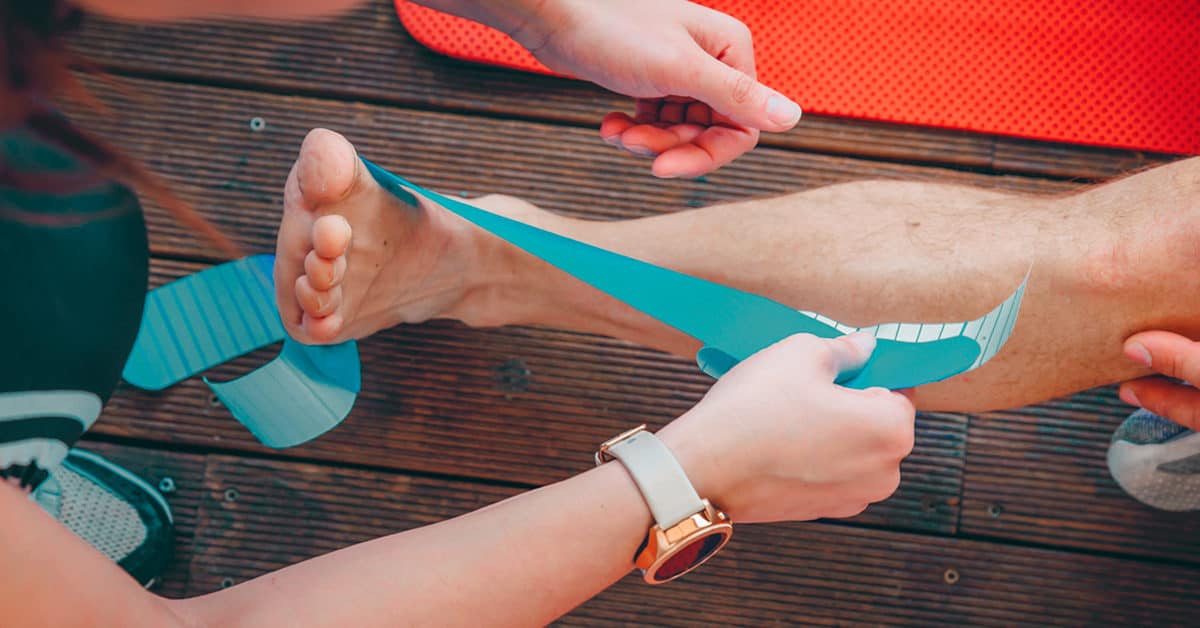
Treatment for shin splints
- Prevent further strain
- Rest
- Ice
- Stretch
- Strengthen the muscles of your lower legs to better prepare them to take on greater loads
If you experience MTSS or shin splints, speak to your physiotherapist or meet our team. They can work with you to create a personalized recovery and rehabilitation program so you can return to participating in your favorite activities.
References
1. Reshef N, Guelich DR. Medial tibial stress syndrome. Clin Sports Med. 2012 Apr;31(2):273-90. doi: 10.1016/j.csm.2011.09.008. PMID: 22341017.
2. Galbraith, R. M., & Lavallee, M. E. (2009). Medial tibial stress syndrome: conservative treatment options. Current reviews in musculoskeletal medicine, 2(3), 127–133. https://doi.org/10.1007/s12178-009-9055-6
no-repeat;left top;;
auto
FAQ
Is Physiotherapy covered by my health extended benefits?
Yes, most health insurance will cover up to a maximum amount. It is recommended that you contact your health insurance to identify if you are covered and how much.
Do I need a Doctor’s referral before my appointment with my physiotherapist?
No, you don’t, but if it is recommended to bring any reports on scan imagery you may have done, as well as a copy of any prescription you are currently taking.
How long is the treatment?
It really depends on your injury. The assessment will identify the next step. Your physiotherapist will let you know the course of action and the recommended treatment plan to follow.

Mari Mueller, Physiotherapy