What does a headache mean?
Headaches are one of the most common ailments in the human race. The word itself – headache – is certainly able to conjure a phantom pain in the reader’s head. This is due to the fact that every human being on the planet has suffered from a headache at least once in their life. It is also a malady that does not only prevail in adults. People of all ages have felt the discomfort caused by a throbbing headache.
Because it is such a common discomfit, many people seem to undermine its seriousness. Most adults, so immersed in their work and the daily routine, do not even seek medical help for headaches. A lot of these people feel like it is unnecessary to consult a professional for “just a headache”.
Don’t Take Your Headache Lightly
The Canada National Population Health Survey conducted a study that showed that around 8 percent of Canadians over the age of twelve have been diagnosed with migraines. We will discuss migraines in detail further in the article.
Headaches can have many causes, not just migraines. It is the first red flag that the human body waves in order to call attention to some kind of deficiency. Thankfully, however, it is a small minority of people in whom a headache has a sinister source.
Sometimes a headache can signal a malignant physiological issue. For example, an aneurysm, meningitis, strokes, neurological tumors, and various other systemic illnesses.
In the majority of cases, headaches are the first sign of something lacking in the human body. Such as a vitamin deficiency, lack of sleep, or an imbalanced diet. Headaches also signify and are often the effect of psychological issues such as depression and anxiety.
They are also caused by both mental and physical stress and trauma. This is why it is important to get a prevalent headache checked in due time to be certain that it is nothing truly serious.
The Various Types of Headaches
There are around 14 primary and secondary headache disorders.
Primary headaches include headaches that are not caused by any other problem in the body. They include:
Migraines: A migraine starts as a throbbing pain on one side of the head and is known to get so severe as to hinder the basic motor functions of the human body. People who suffer from migraines also end up with osmophobia, photophobia, and phonophobia. These denote increased sensitivity to smells, light, and sound, respectively. Any over-tipping of sensation might trigger severe bouts of pain that can cause nausea and vomiting.
Even though it affects one in every four households, migraines are still not considered proper medical maladies.
Tension-type headaches: A tension headache is the most common form of a primary headache. That is suffered by more than eighty percent of the population. Tension-type headaches are discomfiting. However, they only ever become a real problem if they become too frequent or chronic.
Cluster headaches: Cluster headaches cause some of the worst kinds of pain that the human head can sustain. The pain in cluster headaches is known to be debilitating to the point of making one suicidal.
Secondary headaches mostly include the cervicogenic kinds of headaches. A secondary headache is caused by a fundamental issue in the body. This type of headache is mostly a symptom of something else that is wrong with the body, rather than the primary cause.
Cervicogenic headaches: These headaches originate from the cervical spine and the neck. Moving forward, it then spreads outwards to the back, top or side of the head. This sort of headache occurs due to an injury or may occur progressively.
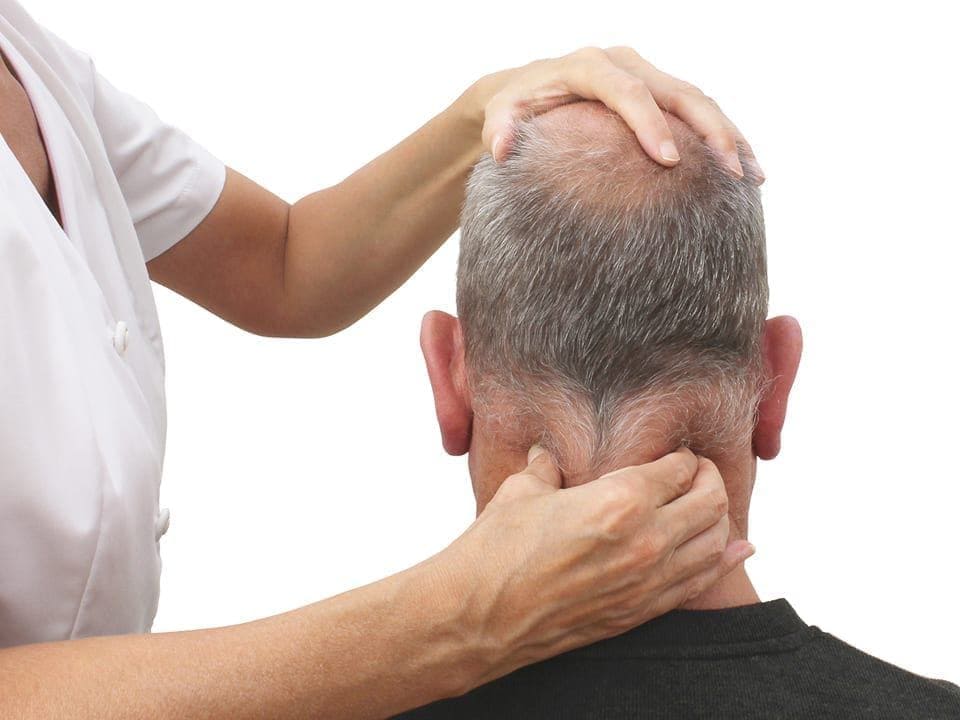
Using Physiotherapy for Headaches
It has been proven that physical therapy has been effective in the treatment of many of these types of headaches. People suffering from cervicogenic headaches, for example, have been especially known to benefit from physiotherapy techniques. Physical therapy has helped cases where other treatments and medication have failed to procure adequate results.
People recommend using physical therapy for headaches in the patient is known to have the following traits:
- The “clenching” of the jaw or the shoulders
- Clenching of the teeth during sleep
- Prolonged sitting
- Stiffness and soreness in the jaw or the neck
- Rise from sleep with a pain in the head
It also occurs in people who have suffered from a physical injury or malady in the past, such as:
- A vehicular accident
- A fall or a concussion
- Consistent and chronic pain in the neck
- Dizziness or bouts of vertigo
It was earlier thought that headaches are caused by inflamed blood vessels in the brain. However, in recent years, it has come to light that many of these are also the result of physical problems in the neck.
Why Physiotherapy Works for Headaches
Many patients come to our physiotherapy clinic in Burlington because of the advances that physiotherapy has made in the treatment of this particular illness. Physiotherapy works for the treatment of cervicogenic and tension-type headaches. It can help relax the muscles and the joints that are under stress, causing the pain in the first place.
The reason physiotherapy actually works wonders is that headaches are not purely neurological disorders. However, these are often in cases, musculoskeletal and physiological cases. A specialist in physical therapy, thus, targets exactly what part of the human body is in distress. This specialist then uses physical therapy techniques to provide relief at the root of the problem.
Mechanical dysfunction has been known to be a cause for headaches, but it is still swept aside, and medication is first looked into. This is due to a general scarcity of proper awareness about the benefits and advantages of using physiotherapy to treat headaches. The Pillars of Wellness Centre has seasoned experts well-versed in using physical therapy techniques for the easing of headaches. When mental stress starts affecting your body and health, you know that it is time to consult a professional!

Mari Mueller, Physiotherapy