What Are The Most Effective Physiotherapy Modalities?
Physiotherapy is a vital part of Canada’s healthcare system. It helps people with pain from injuries, disabilities, diseases, or degeneration. This therapy focuses on physical methods instead of medication. It uses specialized techniques to relieve discomfort and improve function.
One benefit of physiotherapy at Pillars of Wellness is non-drug treatment. Unlike painkillers, which give temporary relief and can cause dependency or side effects, our registered physiotherapist focuses on the root cause of pain. Customized physical therapy supports natural healing and helps with long-term recovery for our community members.
This is important for physical injuries or chronic pain. These conditions need movement and hands-on care to regain strength and mobility. Physiotherapy services at Pillars of Wellness offers targeted attention. It helps patients regain independence and improves overall health and well-being. Plus, it avoids the risks linked to drug-based pain management.
Physical Therapy Innovations
Like many healthcare systems, physical therapy has seen technology work wonders. Physiotherapy treatments have come a long way from the simple hand massages.
Several technological advancements have entered the field to make it more effective. Below are the top five modalities in physical therapy treatment. These modalities have helped our clients at Pillars of Wellness.
Ultrasound
Therapeutic ultrasound is widely used for muscle pain and inflammatory diseases.
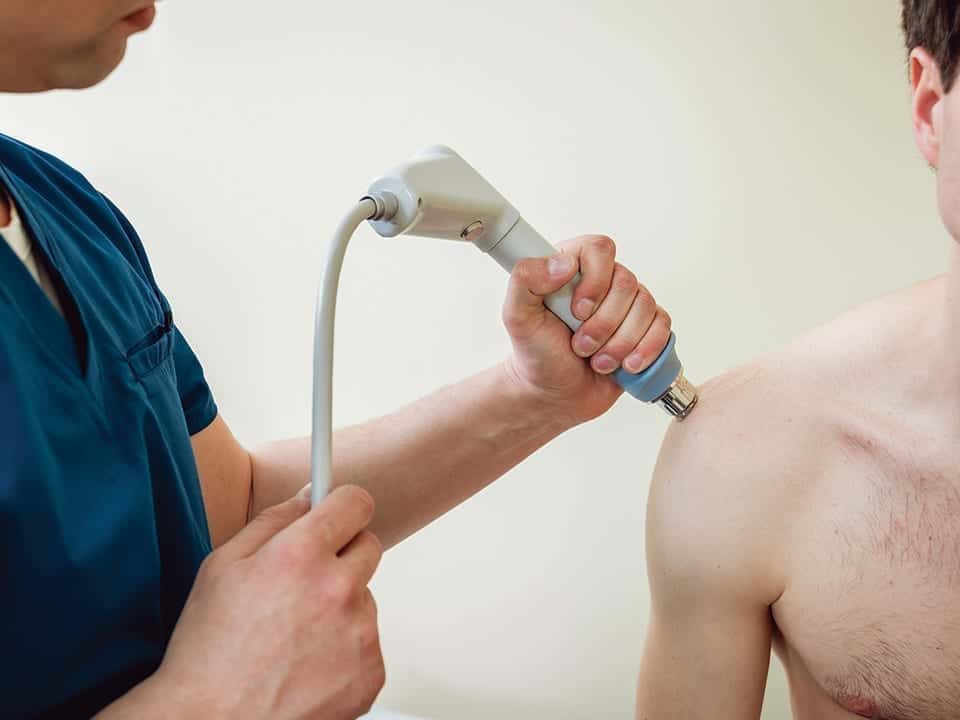
Approved by the Canadian Physiotherapy Association, it helps heal muscles, tendons, ligaments, bones, and nerves. The practitioner moves a handheld device called a transducer over the targeted area in various motions.
Ultrasound, as the name suggests, uses ultrasound waves, which are sound waves above the human hearing level. These waves are so high that they create vibration and/or heat for the muscles, joints, and tendons. These improve the flow of blood, causing the healing process to speed up. For example, someone with golfer’s elbow injury, ultrasound can help relieving some discomfort.
Guidelines for Ultrasound Therapy
- Session Duration: Ultrasound therapy sessions usually last between 5 to 10 minutes for a specific treatment area. For larger areas or multiple treatment sites, the session may take longer.
- Frequency: Treatments are usually recommended twice a week at first. This depends on the injury and the physiotherapist’s assessment.
- Treatment Course: The total number of sessions can vary. It often ranges from 6 to 12 sessions over several weeks, based on progress and the patient’s response to therapy.
Electrical Stimulation
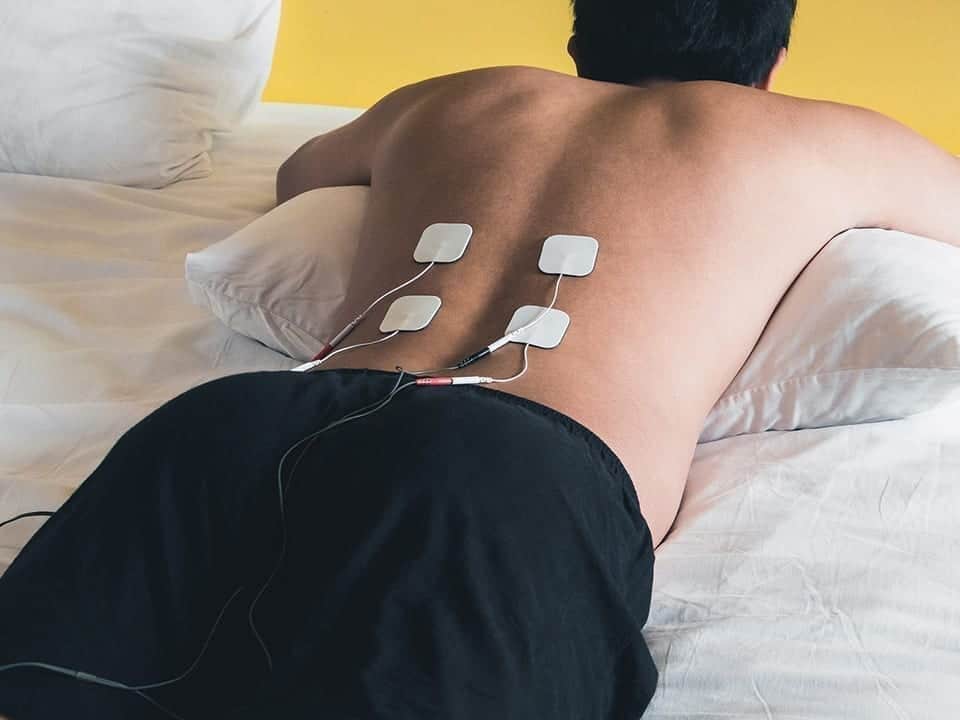
Electrical stimulation is one of the most effective techniques at our clinic. Known as E-Stim, this practice includes a range of electrotherapy where electrodes are attached to the patient’s skin. This modality is used for physiological benefits such as:
- Promote Muscle Contraction: Strengthens weak or inactive muscles, especially after surgery or long periods of inactivity.
- Relieve Pain: Blocks pain signals to the brain by stimulating sensory nerves (TENS).
- Reduce Inflammation: Improves blood flow and lymphatic drainage, which helps decrease swelling.
- Enhance Recovery: Stimulates tissue repair by increasing circulation and promoting cellular activity.
- Improve Range of Motion: Helps loosen tight muscles and improve flexibility.
- Re-educate Muscles: Helps retrain muscles to contract correctly, especially after nerve damage or neurological issues.
What to Expect During Treatment
In an electrical stimulation session, the physical therapist starts with an assessment. They will test your condition and decide on the best type of E-stim for you.
Next, small adhesive pads called electrodes are placed on the skin near the affected area.
The physical therapist adjusts the intensity and frequency of the electrical currents. This ensures comfort and effectiveness. During the session, you might feel a tingling or buzzing sensation. You may also experience mild muscle contractions, depending on the treatment used.
- Duration: Sessions usually last 15 to 30 minutes. This depends on treatment goals and the areas being treated.
- Frequency: Treatments are often suggested twice a week. The total number of sessions varies based on the injury and progress.
Heat Lamps and Hot Packs
Recommended by physical therapists, heat therapy is a non-invasive treatment. It improves blood circulation, reduces muscle tension, and enhances flexibility. This treatment uses a heat source, like a heat lamp or hot pack, on the affected area for a set time to provide benefits.
Heat therapy increases skin and body tissue temperature. This rise dilates blood vessels, improving blood flow. Better circulation delivers oxygen and nutrients while removing waste products. The warmth also relaxes tight muscles and reduces joint stiffness. It can ease chronic pain and promote relaxation.
Guidelines for Heat Therapy
- Session Duration: Heat therapy sessions usually last 15 to 20 minutes for one area. If treating larger areas or more serious conditions, you can extend the session a bit. But be careful to avoid overheating or burns.
- Frequency: You can use heat therapy 1 to 3 times a day. This depends on your pain level and your physiotherapist’s advice.
- Treatment Course: The length of heat therapy varies by condition. For acute pain or stiffness, a few days may be enough. For chronic issues, it may be part of a longer treatment plan with other therapies.
Heat lamps and hot packs are easy tools for pain relief and better movement. They are great for physical therapy and self-care routines.
Cold Therapy
Cold therapy, often used with tools like Torex Premium Flat Packs, effectively reduces inflammation and pain after an injury. For example, if you suffer from knee pain due to a sport injury, it is usually recommended to apply cold pack on it right away to reduce the swelling.
Common in physical therapy and sports medicine, this method slows down metabolic processes in the affected area. This helps cut fluid buildup and lowers heat from the injury. To use it, apply the Torex pack to the injured area. It numbs the skin and tissues, offering relief from pain and discomfort.
Cold packs are particularly beneficial for managing swelling and bruising. Bruising happens when blood vessels under the skin break. This causes discoloration and tenderness. The therapy works by narrowing blood vessels, which reduces blood flow.
This helps limit bruising and swelling. Also, flat packs like Torex Premium mold around joints and soft tissues. They provide effective coverage without extra pressure or discomfort.
Guidelines for Cold Therapy
- Session Duration: Cold pack sessions typically last between 10 and 15 minutes. To prevent skin damage or frostbite, avoid prolonged exposure.
- Frequency: Cold packs are often recommended every 2 to 3 hours during the initial 24 to 48 hours following an injury. This frequency may decrease as swelling and pain subside.
- Treatment Course: The use of cold therapy is most effective in the acute phase of an injury, usually within the first few days. For chronic conditions or recurring injuries, it can be used as needed to manage symptoms.
TENS [Transcutaneous Electrical Nerve Stimulation]
TENS is an effective therapy for managing both acute and chronic pain. It calms the nervous system and stimulates non-painful receptors. Commonly used in physical therapy, TENS sends small electrical impulses to the affected area. This helps block pain signals and reduce discomfort.
TENS is particularly beneficial for relieving pain without the need for medication. The treatment is non-invasive and can be customized to suit individual needs.
Your registered physiotherapist at Pillars of Wellness will check your condition. They will explain how TENS works and adjust the settings for your comfort and effectiveness.
Guidelines for TENS Therapy
- Session Duration: TENS sessions last about 15 to 30 minutes. This depends on the area treated and your goals.
- Frequency: You might have treatments several times a week. This will depend on your pain level and your physiotherapist’s advice.
- Treatment Course: TENS can fit into a short-term pain plan or a longer rehab program, depending on your progress and needs. TENS is safe and effective for reducing pain and improving quality of life. It’s a valuable tool in physical therapy and rehabilitation.
Choose Wisely
The treatment techniques mentioned above are all forms of passive, not manual, physiotherapy. Manual physiotherapy, like soft tissue mobilization, joint mobilization, acupuncture, and pelvic physiotherapy, is more hands-on. For example, for a sciatica, it is recommended to take a hands-on approach.
There is some overlap in the modalities above. Because of this, it is possible to misdiagnose a condition due to similar symptoms. This error, however, can be prevented with research and expertise. For example, a patient self-administered TENS treatment when E-Stim would have been more beneficial.
The apparatus for TENS and E-Stim can be bought by the public but should only be used under expert advice. Pillars of Wellness in Burlington offers expert advice on all physical therapy treatments. Our integrated care services can benefit you in your recovery,
We believe in transparency in the healing process. The patient should understand the significance and necessity of the therapy being given to them. With that being said, we highly recommend physical therapy or a similar profession when using such modalities.
Frequently Asked Questions For Physiotherapy Modalities
What are physiotherapy modalities?
Physiotherapy modalities are the specialized techniques and tools used by physiotherapists to reduce pain, improve movement, and support rehabilitation. These include heat and cold therapy, ultrasound, electrical stimulation, manual therapy, and exercise programs tailored to individual needs.
Why are different modalities used in physiotherapy?
Each modality serves a purpose in the recovery process. Heat therapy relaxes muscles and boosts circulation. Electrical stimulation reduces pain and activates muscles. By combining different methods, physiotherapists can design a personalized treatment plan that focuses on specific issues.
What are the benefits of using modalities in physiotherapy?
The benefits include pain relief, improved blood flow, reduced inflammation, and tissue healing. Modalities also restore physical function, strengthen muscle, and improve health, making them an essential part of physical therapy treatment.
Are physiotherapy modalities safe?
Yes, physiotherapy modalities are safe when administered by a trained professional. Physiotherapists carefully assess your condition first. Then, they choose the best treatments for you. They also guide you during your rehab to ensure your comfort and safety.
How can I determine which modalities are best for me?
The choice of treatments depends on your condition, health, and goals. In your first consultation, your registered physiotherapist will assess you. They will recommend the best methods for your recovery and results.
What To Expect At Your First Physiotherapy Appointment?
Your first physiotherapy appointment may seem intimidating, but it is a crucial step towards improving your health and wellness. Here’s what you can expect during your initial session: A comprehensive Assessment where your physiotherapist start with a detailed assessment of your condition.

Shraddha Solanki, Physiotherapy